Understanding the Future of Remote Work and Education
The past year has brought about an unprecedented shift in the way we work and learn. Remote work and education have become the new norm for many individuals and organizations. This sudden change has not only highlighted the capability of technology, but it has also opened up opportunities for the future. As we adapt to this new way of life, it is essential to understand the impact it will have on our future. In this article, we will delve deeper into the future of remote work and education and the implications it holds for both businesses and individuals.
The Rise of Remote Work
Before the pandemic, remote work was seen as a luxury or perk rather than a necessity. However, with the outbreak of the COVID-19 pandemic, companies were forced to implement remote work policies to ensure the safety of their employees. This sudden transition has proven that remote work is not only a viable option but also has significant benefits for both employers and employees.
Increased Flexibility
One of the main advantages of remote work is the flexibility it provides. Employees are no longer confined to the traditional 9-to-5 work schedule and can instead work at their own pace and time. This increased flexibility has not only led to higher productivity but has also improved work-life balance for employees.
Cost Savings for Employers
Remote work has also proven to be cost-effective for employers. By abolishing the need for physical office space and reducing other overhead expenses, companies can save a significant amount of money. This allows them to invest resources in other critical areas of their business.
Global Talent Pool
With remote work, the talent pool is no longer limited to the geographic location of the company’s headquarters. Companies can now hire top talent from anywhere in the world, allowing them to access a diverse range of skills and expertise.
The Future of Remote Work
As remote work continues to gain popularity, it is undoubtedly here to stay. Many companies have announced that they will be adopting a hybrid work model, allowing employees to work both remotely and in the office. This move towards a blend of in-person and remote work has the potential to create a more balanced and efficient work environment.
Virtual Reality and Augmented Reality
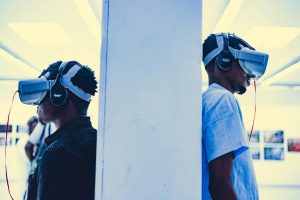
With the advancement of technology, the next step in remote work could be the incorporation of virtual reality (VR) and augmented reality (AR) in the workplace. These technologies can simulate an in-person workspace, providing a more engaging and collaborative remote work experience. It could also eliminate the challenges of communication and building personal connections with colleagues.
Flexible Workforce
Remote work has also given birth to the concept of the gig economy. With remote work, individuals have the flexibility to take on multiple freelance projects and work for different companies simultaneously. This not only provides job security but also ensures a steady stream of income for individuals.
The Impact on Education
The education sector has also been significantly impacted by the shift to remote learning. The pandemic has forced schools and universities to switch to online classes, and this trend is expected to continue even post-pandemic.
Access to Education
Remote learning has opened up educational opportunities for individuals who may face geographical or financial barriers to traditional education. It has also allowed for the delivery of education to remote or rural areas, providing equal opportunities for all.
Personalized Learning
With remote learning, students have access to personalized learning experiences. In a traditional classroom, students follow a one-size-fits-all approach, but with remote learning, students can learn at their own pace, ensuring a more effective learning experience.
Skill Development for the Future
Remote learning has also forced educators to adopt new and innovative methods to deliver education. This has equipped students with much-needed skills such as self-motivation, time management, and adaptability, which will be crucial for their success in the future job market.
Conclusion
The future of remote work and education is undoubtedly bright. The pandemic has accelerated the adoption of remote work, and it has proven to be beneficial for both businesses and individuals. As technology continues to advance, we can expect to see more innovative tools being used to improve remote work and education. It is up to us to embrace this change and adapt to this new way of life for a brighter, more flexible, and inclusive future.