
Strategies for Engaging Reluctant Learners Effectively
Welcome to the world of education where every student is unique and has their own learning style. As an educator, it is our responsibility to engage every student in the classroom, including those who may be considered “reluctant learners”. These students often lack motivation, struggle with attention and focus, and may have a negative attitude towards learning. However, with the right strategies in place, we can effectively engage these students and help them reach their full potential. In this article, we will explore some effective strategies for engaging reluctant learners and creating a positive learning environment for all students.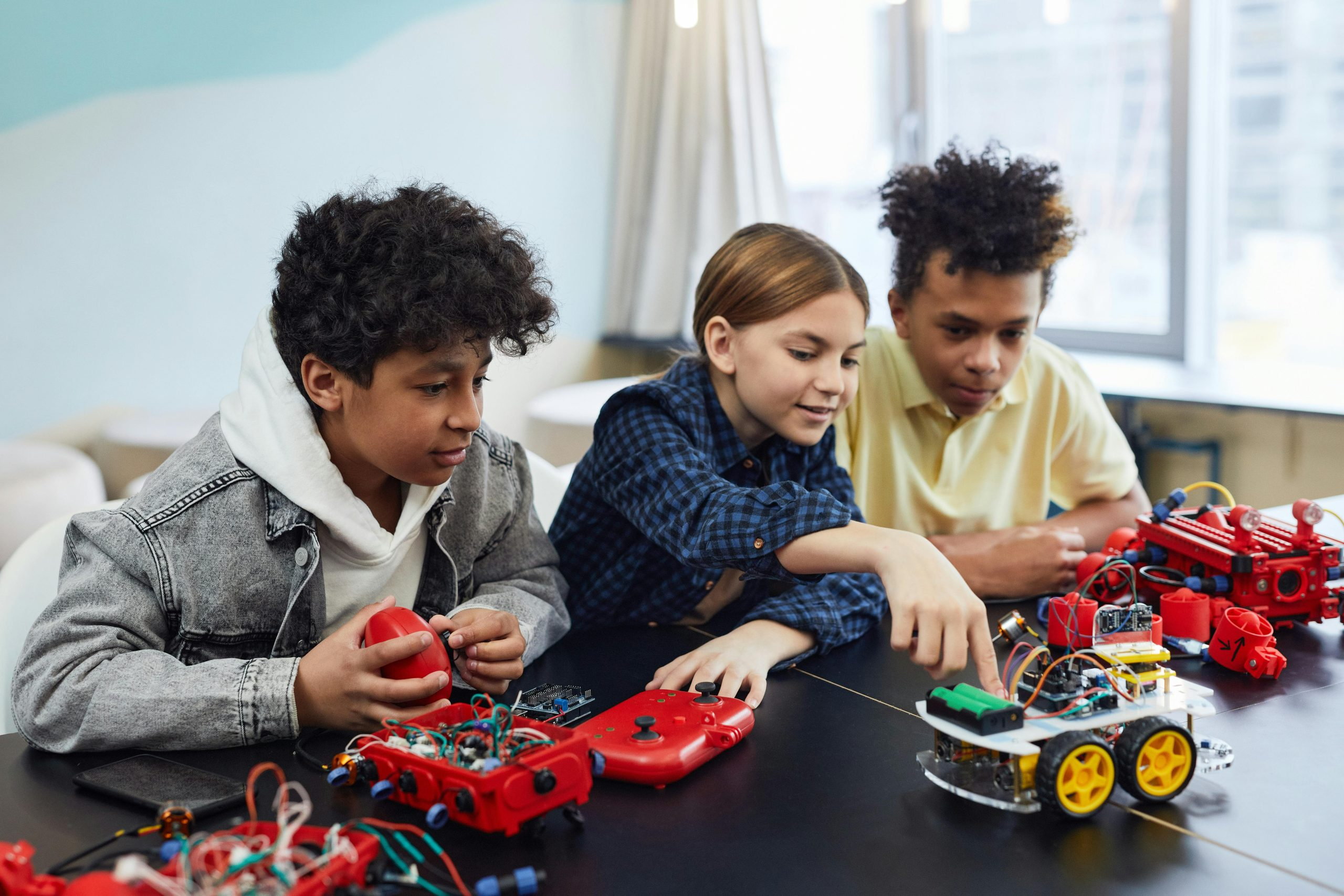
Understand the Root Cause
The first step in engaging reluctant learners is to understand the root cause of their reluctance. Many factors can contribute to a student being disengaged in the classroom, such as a learning disability, personal challenges, or a lack of interest in the subject matter. Take the time to get to know each of your students and their individual needs. This will help you tailor your approach and identify specific strategies that will work for each student.
Make Learning Relevant
A common reason for students being disengaged in the classroom is a lack of relevance. They may not see the connection between what they are learning and how it applies to their lives. As educators, it is our responsibility to make learning relevant and meaningful for our students. One way to do this is by incorporating real-world examples, current events, and personal experiences into the lesson. This will help students see the relevance and importance of what they are learning, making it more engaging for them.
Incorporate Hands-On Activities
Another effective strategy for engaging reluctant learners is by incorporating hands-on activities into the lesson. This allows students to learn by doing, which can be more engaging than traditional teaching methods. Hands-on activities also allow students to apply their knowledge and skills, making the learning experience more meaningful. Be creative and think outside the box when coming up with hands-on activities, such as interactive games, simulations, or experiments.
Encourage Student Choice and Autonomy
Reluctant learners may feel disengaged because they have no control over their learning. To overcome this, it is essential to give students a sense of choice and autonomy in the classroom. This can be achieved by providing options for assignments, allowing students to choose their own topics for projects, or giving them a say in how they learn. When students feel like they have some control over their learning, they are more likely to be engaged and motivated to succeed.
Utilize Technology
In today’s digital age, technology has become an integral part of the learning experience. Many reluctant learners are more engaged when technology is incorporated into the lesson. It allows for more interactive and visually appealing learning experiences, making it more engaging for students. Utilize various forms of technology, such as educational apps, online resources, and interactive whiteboards, to enhance your lessons and engage reluctant learners.
Provide Positive Reinforcement
Positive reinforcement is a powerful tool in engaging reluctant learners. Often, these students may have a negative attitude towards learning, which can be a barrier to their success. By providing positive reinforcement, such as praise, rewards, and recognition, we can help shift their mindset and encourage them to engage in the learning process. Be sure to recognize even small progress and achievements to boost their confidence and motivation.
Include Movement and Brain Breaks
Sitting for prolonged periods can be challenging for any student, but it can be particularly difficult for reluctant learners. Incorporating movement and brain breaks into the lesson can help students stay engaged and focused. These can be simple activities such as stretching, dancing, or quick games. Not only does this help break up the monotony of sitting for extended periods, but it also promotes better brain function and boosts alertness.
Partner with Parents
A strong partnership between parents and educators is crucial in engaging reluctant learners. Parents can provide valuable insights into their child’s learning style and challenges, and can also reinforce the strategies being used in the classroom at home. Encourage parents to be involved in their child’s education, and work together to find ways to support and engage their child in learning.
Engaging reluctant learners may require a little extra effort and creativity, but it is well worth it when we see our students thriving and reaching their full potential. By understanding the root cause of the reluctance, making learning relevant, providing student choice and autonomy, utilizing technology, and incorporating positive reinforcement, we can create an environment where all students are engaged and excited about learning. With the right strategies in place, we can help our reluctant learners become active and enthusiastic participants in the classroom.