The Role of Costume Design in Telling Cinematic Stories
The success of a film is often attributed to its captivating story, talented actors, and skilled directors. However, there is another crucial aspect that plays a significant role in bringing a cinematic story to life – costume design. From historical dramas to futuristic sci-fi films, the costumes worn by the characters are carefully chosen to enhance the visual appeal of the movie and convey important messages to the audience. In this article, we will explore the role of costume design in telling cinematic stories and how it contributes to the overall success of a film.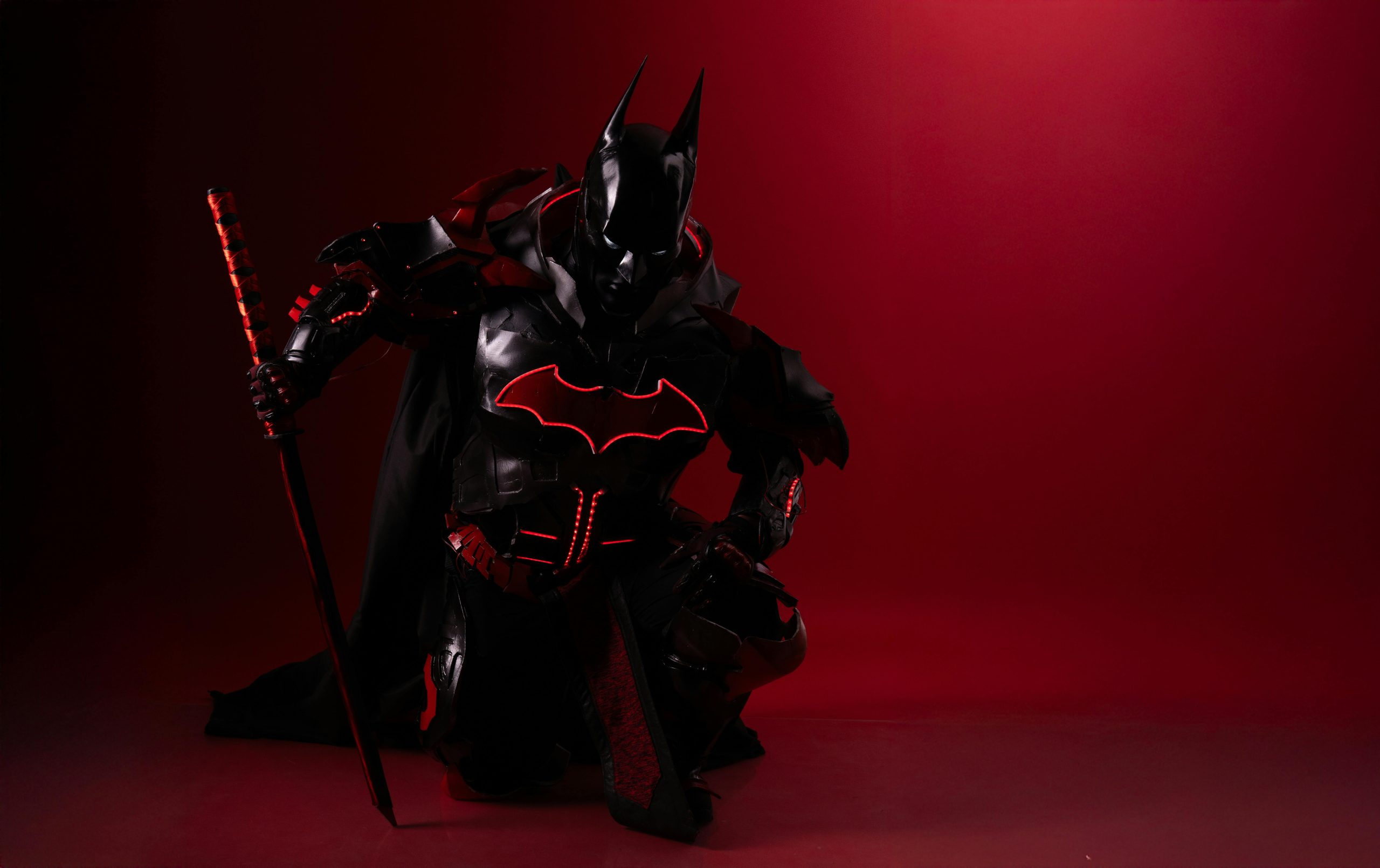
The Power of Visual Storytelling
Throughout history, storytelling has been an essential part of human communication. From cave paintings to books, people have always been drawn to stories that transport them to different worlds and make them feel a wide range of emotions. In the world of cinema, visual storytelling takes center stage. Through imagery, sound, and movement, filmmakers are able to create a cinematic experience that captures the audience’s attention and immerses them in the story.
The Importance of Costume Design
Costume design is an integral part of visual storytelling. It involves choosing, designing, and creating the clothing and accessories worn by the characters in a film. A costume designer’s role extends beyond just making the actors look good. They are responsible for creating a visual language that helps convey the story’s themes, setting, and character development.
Costumes are an essential tool used by filmmakers to establish the time period and setting of a film. For example, a period drama set in the 18th century will have vastly different costumes compared to a modern-day romantic comedy. In this way, costume design helps to transport the audience to a specific time and place, setting the stage for the story to unfold.
Creating Character Identities
In addition to establishing the setting, costume design also plays a crucial role in defining a character’s identity. The clothes a character wears can reveal a lot about their personality, status, and motivations. For instance, a character dressed in a sharp suit can convey power, while someone in a flowy dress can signify their free-spirited nature. Subtle details like the colors, patterns, and accessories chosen by the costume designer can add depth to a character and help the audience understand their journey.
In some cases, costumes can even serve as a visual metaphor for a character’s arc. Take for example, the character of Padmé Amidala in Star Wars. In the beginning, she is dressed in elaborate, regal gowns, signifying her royal status. As the story progresses and she becomes more involved in the fight against the dark side, her costumes become more practical and battle-ready, symbolizing her transformation into a brave warrior.
Collaboration and Attention to Detail
Creating costumes for a film requires a collaborative effort between the costume designer, director, and production team. The costumes must not only reflect the characters and the story but also be practical for the actors to wear and easy to maintain throughout the filming process. This requires attention to detail, from selecting the right fabrics and colors to ensuring that the costumes are historically accurate (if the film is a period piece).
Costume designers also work closely with the actors to understand their characters and make sure the costumes feel authentic to them. This collaboration helps bring the characters to life and adds another layer of depth to the story.
Conclusion
The role of costume design in telling cinematic stories cannot be underestimated. It goes beyond just dressing up the characters; it is a powerful storytelling tool that helps establish the setting, define the characters, and add depth to the story. Without the creative vision and attention to detail of costume designers, many memorable films would not have the same impact on audiences. As we continue to enjoy the art of visual storytelling, let us not forget the crucial role of costume design in bringing those stories to life on the big screen.