
The Role of Influencer Marketing Disclosure and Ethics
In the rapidly evolving landscape of online marketing, influencers have become one of the most powerful and effective channels for brand promotion. These individuals, with their large social media followings and engaging content, have the ability to influence the purchasing decisions of their followers. However, with great power comes great responsibility – and this is where the role of influencer marketing disclosure and ethics comes into play.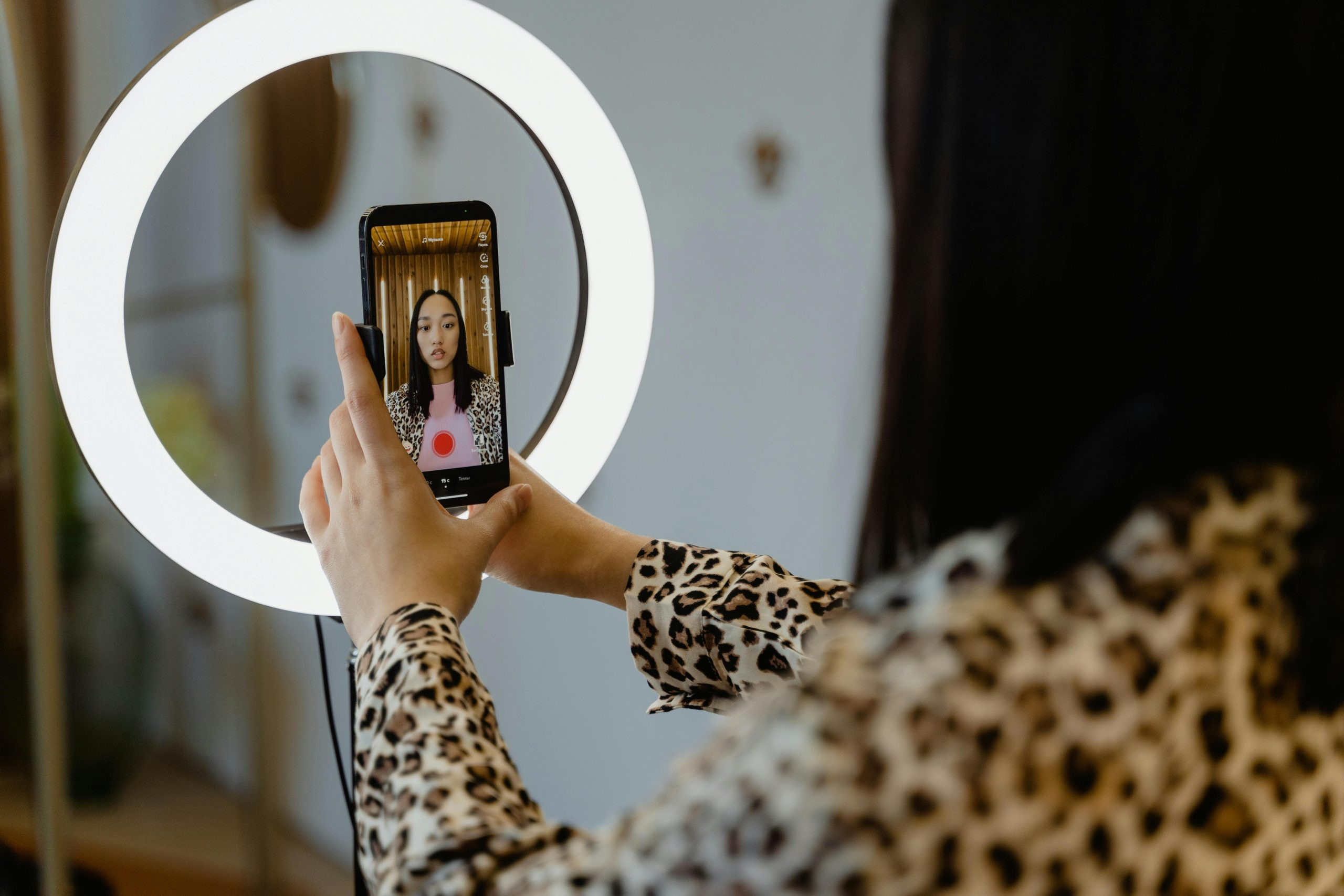
The Importance of Disclosure in Influencer Marketing
In recent years, the Federal Trade Commission (FTC) has been cracking down on deceptive marketing practices, including influencer marketing. In 2017, the commission released new guidelines that require influencers to disclose any relationships or partnerships with brands in their content. These disclosure rules apply to all forms of sponsored content, including social media posts, blog posts, YouTube videos, and more.
The purpose of these guidelines is to ensure transparency and protect consumers from being misled by sponsored content disguised as genuine recommendations. By being open and honest about their partnerships, influencers are able to maintain the trust of their followers and avoid potential legal consequences.
The Ethical Responsibility of Influencers
While FTC guidelines provide a certain level of oversight on influencer marketing, it is ultimately the responsibility of the influencers themselves to uphold ethical standards in their collaborations with brands. This includes not only disclosing paid partnerships, but also being selective of the products and brands they choose to promote.
One of the biggest ethical concerns in influencer marketing is the issue of false advertising. It is not uncommon for influencers to promote products that they have not personally used or do not genuinely endorse. This can be seen as misleading to their followers and can damage the credibility and authenticity of both the influencer and the brand.
In addition, influencers should also consider the impact of their content on their audience. This includes being mindful of diversity and inclusivity, not promoting harmful or controversial products, and avoiding any actions that could be seen as exploiting their followers for financial gain.
Best Practices for Influencer Marketing Disclosure and Ethics
1. Clearly disclose paid partnerships
Disclose paid partnerships, such as sponsored posts, by including #ad, #sponsored, #paid, or a similar hashtag at the beginning of the post. This should be placed before any clickable links so that it is visible even if the post is cut off.
2. Be transparent with product reviews
If an influencer receives free products for review, they should disclose this information in their content. They should also provide their honest opinion and not deceive their audience by falsely praising the product for financial gain.
3. Only promote products and brands that align with personal values
Only collaborate with brands and products that the influencer genuinely believes in and would recommend to their followers. This promotes authenticity and maintains the trust of their audience.
4. Use proper disclaimers for affiliate marketing
When promoting products through affiliate marketing, influencers should disclose their relationship with the brand and include a disclaimer such as “I may earn a small commission from qualifying purchases” in their content.
5. Hold brands accountable
If an influencer is approached by a brand that does not align with their values or engages in unethical practices, they should speak up and refuse to work with them. This holds both the influencer and the brand accountable for their actions.
In Conclusion
In the world of influencer marketing, disclosure and ethics play a crucial role in maintaining transparency and trust between influencers and their audience. It is the responsibility of both the influencers and the brands to ensure that their collaborations are ethical and genuine. By following best practices and upholding ethical standards, influencers can continue to harness the power of their platform and maintain their credibility in the eyes of their followers.