
The Impact of Public Transportation on Property Values
When considering the value of a property, location is often cited as one of the most important factors. And in today’s fast-paced world, access to public transportation has become a crucial aspect of location. With our cities facing issues such as traffic congestion, air pollution, and increasing gas prices, more and more people are turning to public transportation as a means of commuting. But how does this trend impact the value of properties in a particular area? In this article, we will explore the impact of public transportation on property values and why it has become a key consideration for both buyers and sellers in the real estate market.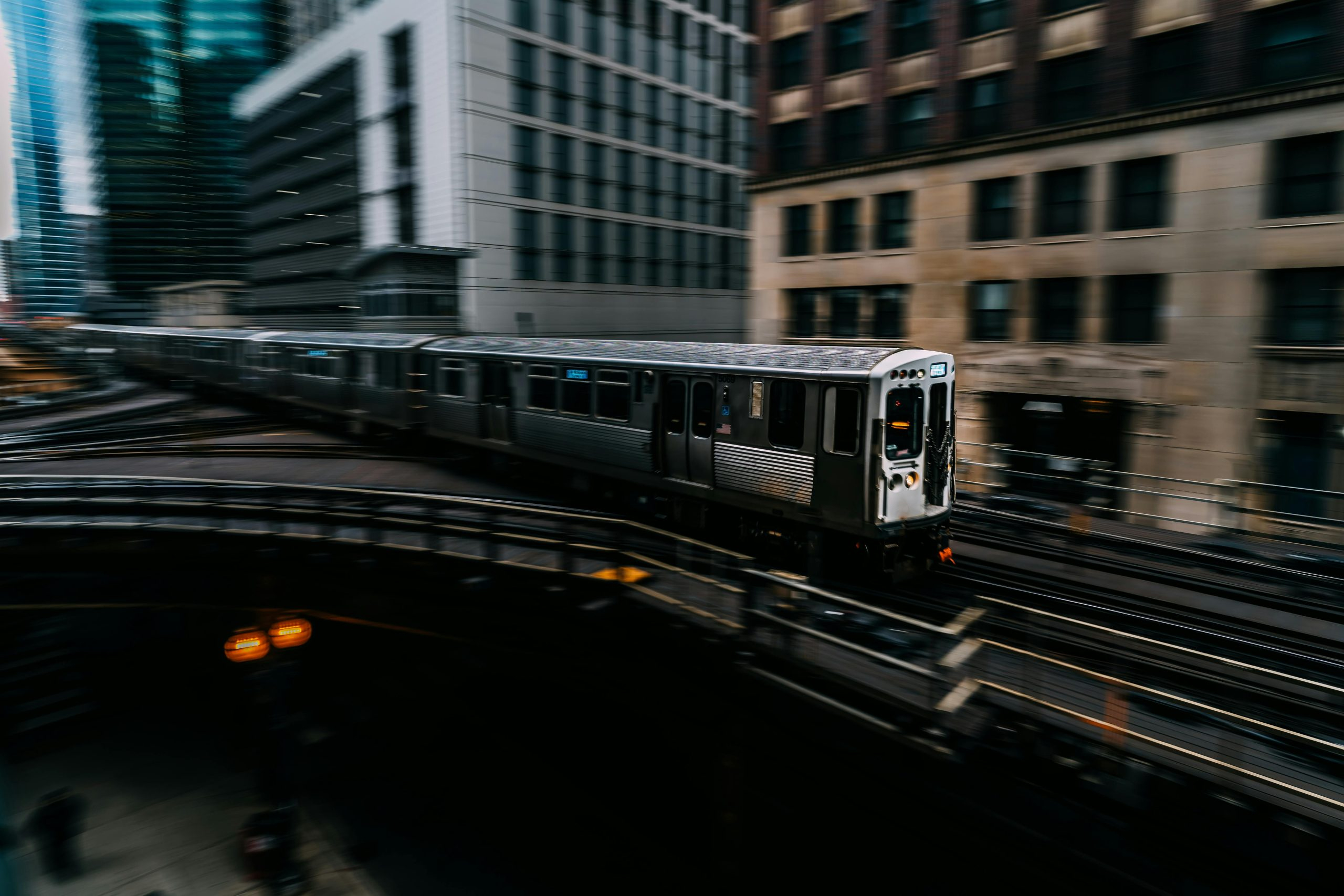
The Rise of Public Transportation
Public transportation refers to the shared transport services available for use by the general public, including buses, trains, subways, and light rail systems. With the increasing population in urban areas, public transportation has become a necessity for many people, especially for those who live and work in the city. In fact, according to the American Public Transportation Association, public transit ridership in the United States has increased by 21% since 1995.
The rise in public transportation usage can be attributed to several factors, including the increasing cost of owning a car, the need to reduce carbon emissions and traffic congestion, and the rise of alternative modes of transportation such as ride-sharing services and bike-sharing programs. As a result, public transportation has become a popular choice for commuters, and its impact on the real estate market cannot be ignored.
The Positive Impact on Property Values
One of the major impacts of public transportation on property values is its ability to increase the accessibility of a particular area. With well-connected public transportation systems, residents have better access to job opportunities, educational institutions, retail centers, and other amenities. This increased accessibility makes a neighborhood or city more desirable, and as a result, drives up the demand for properties in the area.
Public transportation also has a positive impact on the overall livability of a neighborhood. With fewer cars on the road, there is a significant reduction in noise and air pollution, making the area more attractive to potential buyers. Additionally, access to reliable public transportation can also reduce the need for residents to own a car, which can be a significant cost-saving factor for many people, especially in high-cost areas.
How Public Transportation Affects Different Types of Properties
Residential Properties
The impact of public transportation on residential properties is most evident in areas with well-connected and efficient transit systems. Properties located near major transit hubs, such as train or subway stations, tend to have a higher value than those located further away. This is due to the convenience and accessibility these properties offer to commuters.
In some cases, properties located near transit stations can also see an increase in rental income. According to a study by the National Association of Realtors, properties within a quarter-mile of a transit station saw rents 78% higher than those located further away. This is because tenants are willing to pay a premium for the convenience and cost-saving benefits of living near public transportation.
Commercial Properties
Commercial properties are also impacted by the presence of public transportation. Areas with well-connected transit systems are more attractive to businesses looking to set up offices or retail outlets. This is because employees have easy access to the workplace, and customers can easily access the business location. As a result, properties located near major transit hubs tend to have higher rental rates and occupancy rates.
In addition, the presence of public transportation can also lead to more foot traffic, making it easier for businesses located in these areas to attract customers. This can increase the overall value of the property and have a positive impact on its marketability.
The Bottom Line
The impact of public transportation on property values is undeniable. The convenience, accessibility, and cost-saving benefits offered by well-connected transit systems make an area more desirable for both residential and commercial properties. As a result, properties located near major transit hubs tend to have a higher value and are more attractive to potential buyers and tenants.
As our cities continue to grow, the demand for public transportation will only increase, making it a key factor to consider when evaluating the value of a property. So, whether you are buying or selling, it is important to keep in mind the impact of public transportation on property values as it can have a significant influence on the overall value of the property.