
Addressing Truancy and Improving Student Attendance Rates
In today’s world, education is more important than ever before. Students who attend school regularly are more likely to succeed in their academic, personal, and professional lives. However, one of the biggest challenges that schools face is truancy – the habit of students skipping or being absent from school without a valid reason. Truancy not only affects the individual student’s learning and future opportunities, but it also has a negative impact on the school as a whole. In this article, we will explore the issue of truancy and discuss strategies for addressing it and improving student attendance rates. 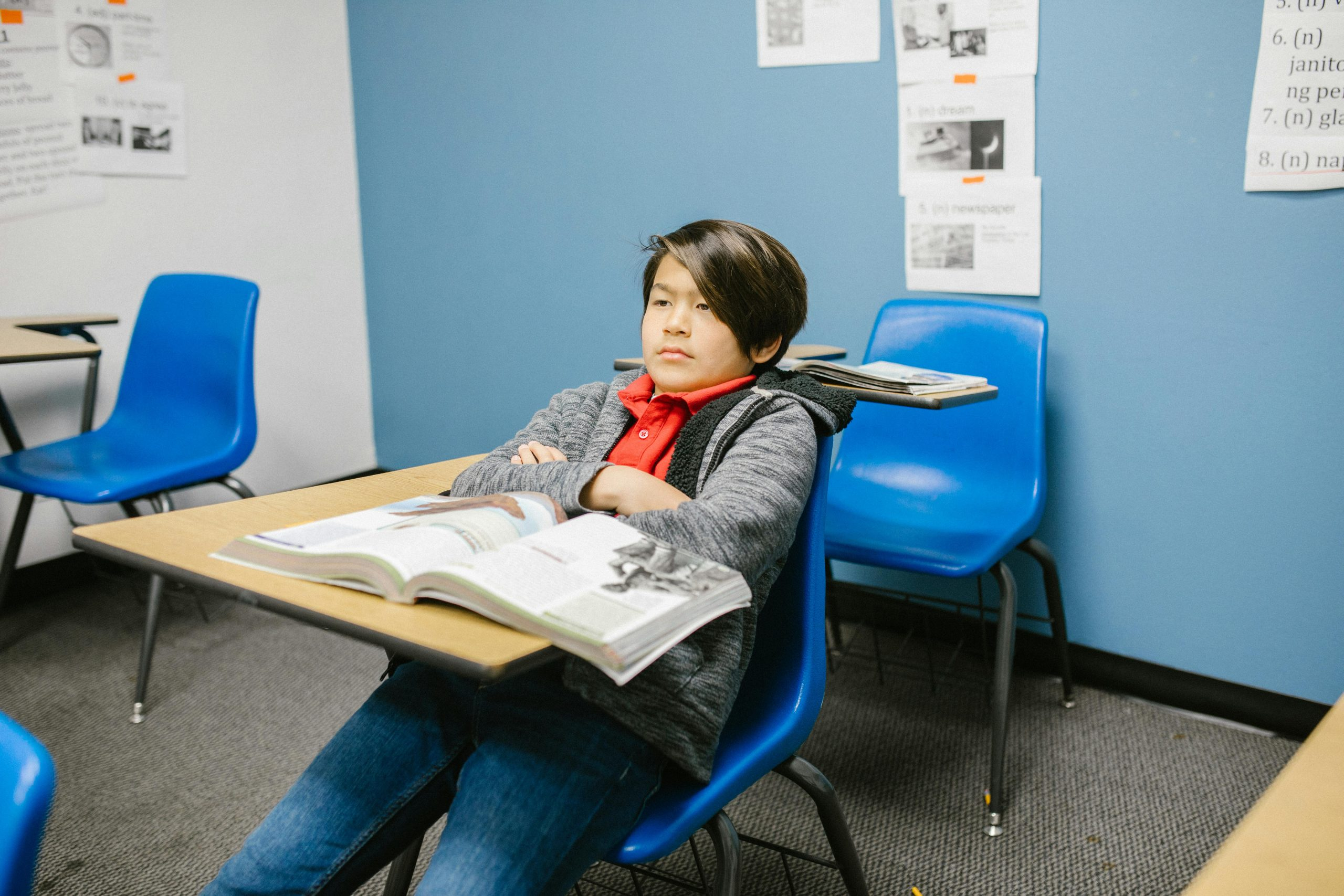
The Impact of Truancy
Truancy is a widespread problem that affects both urban and rural schools across the country. According to the U.S. Department of Education, over 6.5 million students in the U.S. are considered chronically absent, meaning they miss more than 10% of the school year. This alarming statistic highlights the scale of the problem and the need for effective interventions to address it.
Truancy not only has a direct impact on a student’s academic performance but also has long-term consequences on their personal and professional lives. Students who are frequently absent from school are more likely to drop out, have lower grades, and have limited future opportunities. Besides, truancy also affects the school’s budget, as schools receive funding based on the number of students present on a given day. This can result in a loss of resources for the school and impact the quality of education provided to students. Therefore, it is crucial to address truancy and improve student attendance rates for the overall well-being of students and the school.
Identifying the Causes of Truancy
To effectively address truancy, it is essential to understand the root causes behind it. Some of the common factors that contribute to truancy include:
Poor School Climate
The school environment plays a significant role in a student’s decision to attend or skip school. A negative school climate, characterized by bullying, violence, or lack of support from teachers and peers, can make students feel disconnected and uninterested in attending school.
Family Dynamics
The family dynamic is another significant factor that affects student attendance. A family’s financial hardships, unstable home environment, or parental neglect can lead to truancy. Students may also skip school to take care of younger siblings or help with household responsibilities.
Academic Struggles
Students who struggle academically also tend to skip school more often. If they feel that they cannot keep up with their peers or if they do not have a positive attitude towards learning, they may choose to miss school altogether.
Strategies for Addressing Truancy
Develop a Positive School Environment
To improve student attendance rates, schools should prioritize creating a positive school climate. This can include implementing programs that promote a sense of belonging and inclusivity, addressing bullying and violence, and ensuring that students have access to support from teachers and peers.
Involve Parents and Caregivers
Parents and caregivers play a crucial role in ensuring that their children attend school regularly. Schools should involve parents and caregivers in the process of addressing truancy by communicating with them about their child’s attendance and involving them in interventions and support programs.
Implement Interventions
There are several interventions that schools can implement to address truancy effectively. These can include mentoring programs, after-school activities, and personalized academic support. These interventions should also incorporate strategies to address the root causes of truancy, such as improving the school environment and providing resources for families in need.
In Conclusion
Addressing truancy and improving student attendance rates is a challenging but crucial task for schools. By understanding the causes of truancy and implementing effective strategies, schools can create a positive learning environment that encourages students to attend regularly. It is essential to remember that addressing truancy not only benefits the individual student but also has a positive impact on the entire school community.
Remember, education is the key to unlocking a better future for our youth, and we must do everything we can to ensure that students have the opportunity to attend school regularly and succeed. Together, we can address truancy and improve student attendance rates, paving the way for a brighter tomorrow.