
Creating a Functional and Ergonomic Kitchen Design
Welcome to the heart of every home – the kitchen. It’s not just a place for cooking and eating, but a space where memories are made, creativity is unleashed, and family bonds are strengthened. With the current trend of open floor plans, the kitchen has become more than just a functional room but an essential part of the overall home design. This is where the concept of creating a functional and ergonomic kitchen design comes into play. In this article, we will delve into the key elements to consider in designing a kitchen that is not only eye-catching but also practical and comfortable to use. So, let’s roll up our sleeves and get cooking!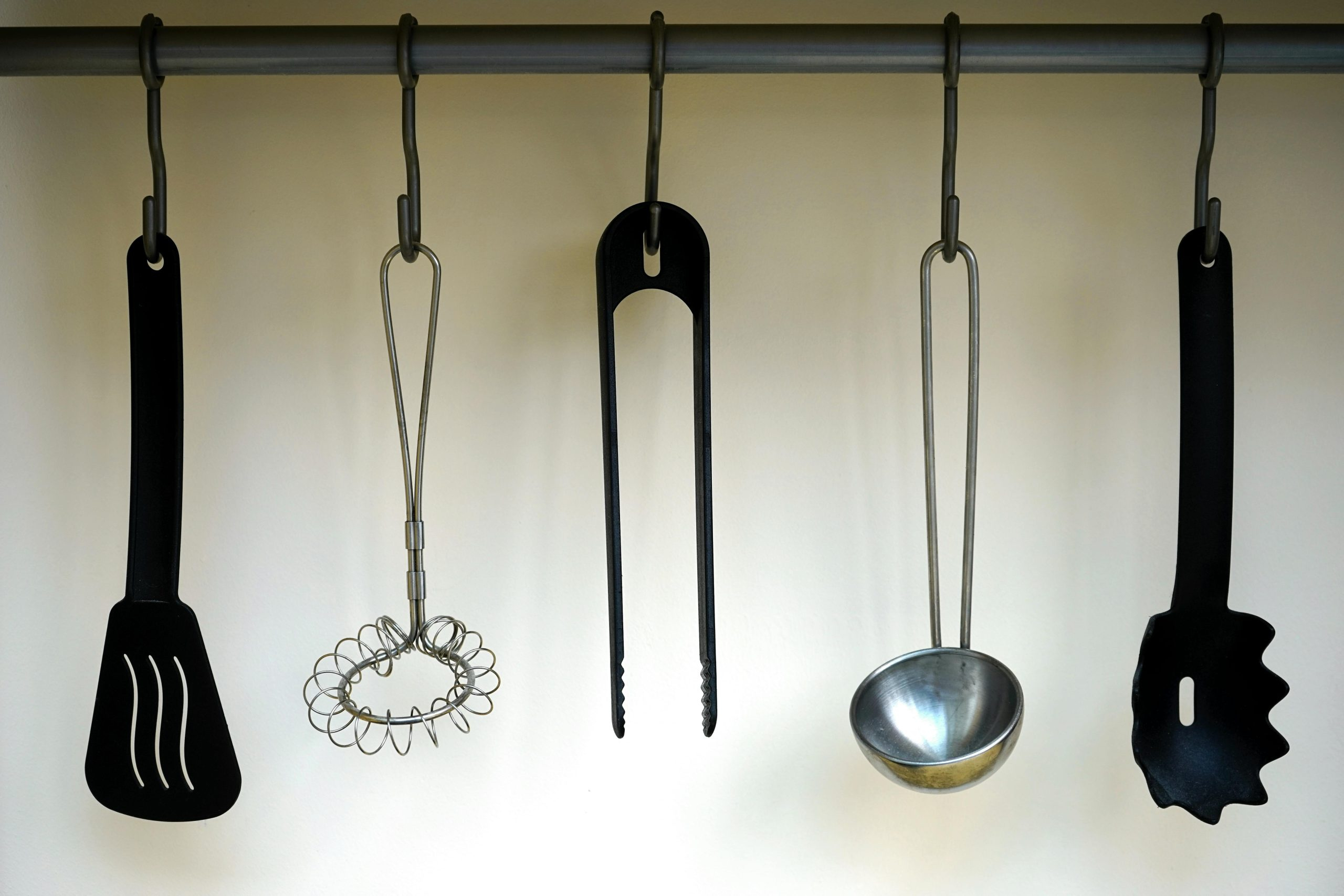
The Importance of a Functional and Ergonomic Kitchen Design
A well-designed kitchen not only adds value to your home but also makes your life easier. A functional and ergonomic kitchen design considers the needs and habits of the users, resulting in a more efficient and enjoyable cooking experience. It involves creating a layout that maximizes the use of space, ensures smooth and safe movement, and provides easy access to necessary tools and equipment. This type of kitchen design also takes into account the user’s comfort, reducing strain and fatigue while working in the kitchen for extended periods. So, let’s explore the key elements to consider when creating a functional and ergonomic kitchen design.
Layout and Space Planning
The first step in creating a functional and ergonomic kitchen design is to determine the layout and the space available. The ideal layout is the triangle-shaped working area, with the sink, cooktop, and refrigerator forming the three points. This allows for smooth flow and minimizes unnecessary movement. The space between these points should be in the range of 12-23 feet, with no major obstacles in-between. In case of limited space, consider a galley or L-shaped layout, which still provides an efficient workflow.
Another vital aspect of space planning is the organization of kitchen zones. Separating the kitchen into specific zones, such as cooking, cleaning, storage, and preparation, ensures a more organized and efficient workflow. This also prevents congestion and allows multiple people to work in the kitchen comfortably.
Ergonomic Cabinet and Countertop Heights
When it comes to cabinets and countertops, ergonomics play a crucial role in the overall functionality of the kitchen. The standard height for base cabinets is 36 inches, but this may not be suitable for everyone. To create an ergonomic kitchen, the countertop should be 3-4 inches below the elbow level of the user. This reduces strain on the back and shoulders, making it easier to work for extended periods. Additionally, consider installing pull-out shelves and drawers for easier access to items and avoid reaching or bending repetitively.
Efficient Storage Solutions
Let’s face it, a cluttered kitchen is never conducive to efficient cooking. That’s why storage plays a significant role in creating a functional and ergonomic kitchen design. In addition to traditional cabinets, consider incorporating innovative storage solutions such as pull-out pantries, vertical cabinets, and corner cabinets with rotating shelves. These not only optimize the use of space but also provide easy access to frequently used items.
Proper Lighting
The right lighting is essential in any room, and the kitchen is no exception. Inadequate or poorly placed lighting can lead to shadows and glare, making it challenging to work efficiently. A well-lit kitchen should have a combination of task lighting, ambient lighting, and accent lighting. Task lighting, such as under-cabinet lighting, provides adequate illumination for food preparation and cooking. Ambient lighting, which includes ceiling lights, creates a warm and inviting ambiance in the room. Accent lighting, on the other hand, adds a touch of drama to your kitchen design.
Comfortable Flooring
Last but not least, the type of flooring in a kitchen can significantly impact its overall functionality. A cushioned, non-slip flooring material, such as cork or rubber, is highly recommended in a kitchen, as it offers better support and is easier on the feet and back. It also reduces the risk of accidents, especially in a high-traffic area like the kitchen. Additionally, consider using the same flooring material throughout the kitchen and the adjoining space to create a seamless and unified look.
In conclusion, creating a functional and ergonomic kitchen design involves careful consideration of layout, space, ergonomics, storage, lighting, and flooring. When all these elements are seamlessly integrated, they result in a kitchen that is not only pleasing to the eye but also practical and comfortable to work in. So, if you’re planning to renovate or build a new kitchen, keep these key elements in mind to ensure a kitchen that fits your lifestyle and needs perfectly.