Mastering the Fundamentals of Different Percussion Instruments
Percussion instruments are a vital part of music, adding rhythm and diversity to a composition. From the thumping heartbeats of drums to the melodic chimes of a vibraphone, percussion instruments come in many shapes and sizes, creating unique sounds that capture the audience’s attention. Whether you are an aspiring musician or a seasoned veteran, mastering the fundamentals of different percussion instruments is essential for any musician looking to take their skills to the next level. In this article, we will delve into the world of percussion instruments and explore the fundamentals of each one, giving you the knowledge and skills needed to become a true master of the beat.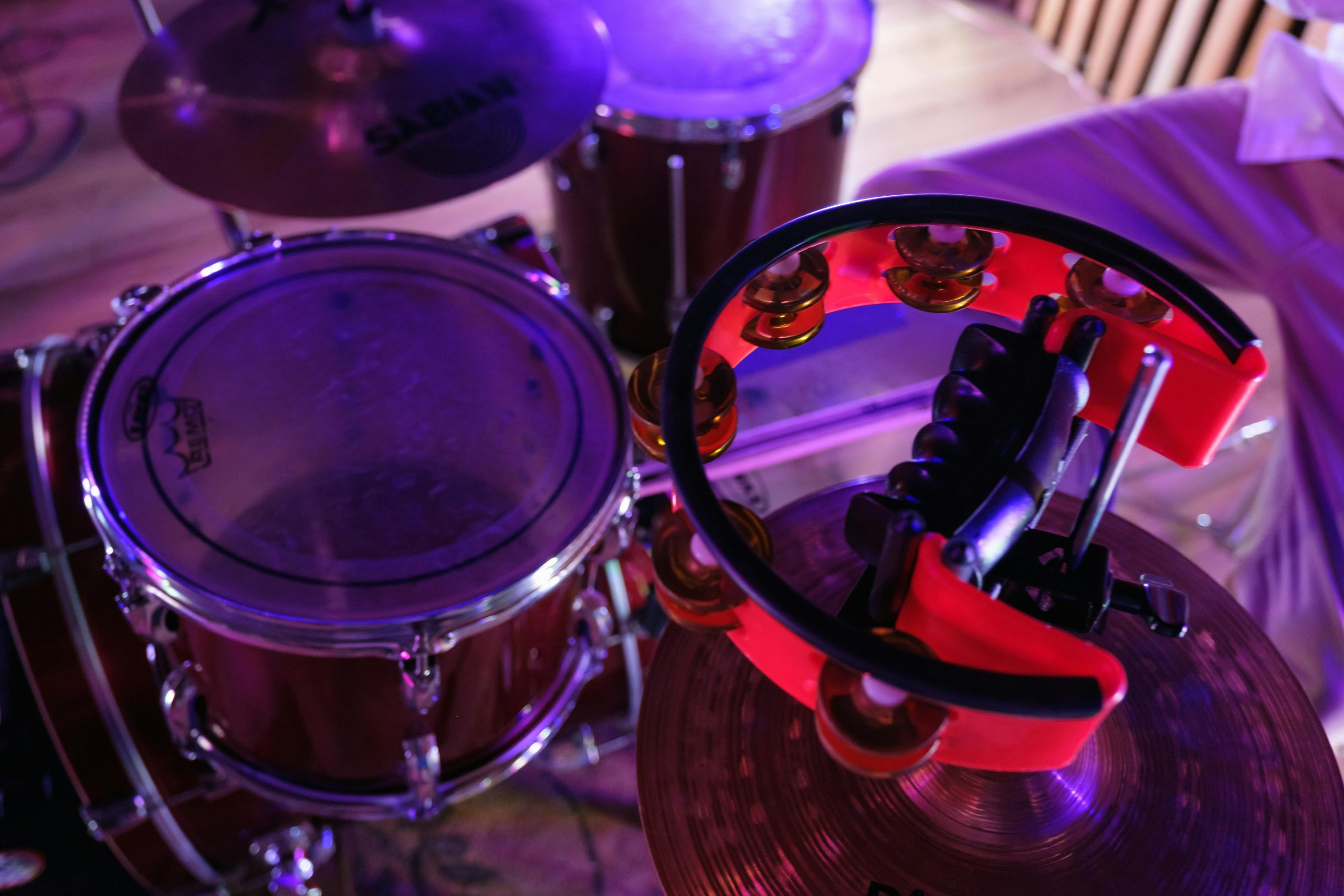
The Art of Percussion
Before we dive into the specific instruments, it is crucial to understand the fundamentals of percussion as a whole. Percussion instruments are any objects that are struck, shaken, or scraped to produce sound. These instruments can be divided into two main categories: membranophones (instruments with a stretched membrane producing sound) and idiophones (instruments with a vibrating body producing sound). Within these categories, there are countless types of percussion instruments, each with its unique sound and playing technique.
The Fundamentals of Membranophones
Membranophones are the most well-known type of percussion instruments, consisting of a membrane stretched over a resonating body, usually a hollow shell. The most commonly recognized membranophones are drums, which can be found in various sizes and designs, including bass drum, snare drum, and conga drums. To produce sound from a membranophone, it is struck with hands, sticks, or mallets, creating a distinct and powerful sound. Controlling the tension of the membrane is crucial in mastering these instruments, and proper technique is essential to achieve the desired tone and sound quality.
Exploring Idiophones
Idiophones are percussion instruments that produce sound through the vibration of the instrument itself, rather than through a membrane. These instruments come in an array of shapes and sizes, from the tinkling chimes of a xylophone to the deep resonance of a vibraphone. The playing technique for idiophones usually involves striking, scraping, or shaking the instrument with hands or mallets. Understanding the fundamentals of vibration and resonance is key to mastering these instruments, as the slightest change in technique can drastically alter the sound produced.
The Basics of Playing Percussion Instruments
Aside from knowing the specifics of each instrument, there are some general fundamentals that apply to all types of percussion. These basics include hand placement, stick control, and proper posture. The vast majority of percussion instruments require both hands to be used simultaneously, making hand placement crucial for efficient and effective playing. Stick control is also crucial, as different types of sticks and mallets can produce varying sounds and techniques. Finally, posture is essential for the proper execution of percussion, as it can affect the sound produced and reduce the risk of injury.
Developing Rhythm and Timing
When it comes to percussion instruments, timing and rhythm are everything. As a percussionist, you are responsible for keeping the tempo and ensuring that the music flows smoothly. The development of these skills takes time and practice, but with dedication and determination, anyone can master them. To improve timing and rhythm, it is essential to practice with a metronome and to pay close attention to your own playing and that of others.
Mastering the Fundamentals of Different Percussion Instruments
Now that we have covered the basics of percussion, it is time to explore some of the specific instruments that fall under this category. Whether you are interested in the powerful and energetic drums or the delicate and intricate vibes, mastering these fundamentals will greatly enhance your skills as a percussionist. Through consistent practice and dedication, you will be able to produce captivating sounds that will captivate your audience and set you apart as a true master of the beat.
Conclusion
Percussion instruments are a vital part of music, providing rhythm and diversity to any composition. Whether you are a beginner or an experienced musician, mastering the fundamentals of different percussion instruments is crucial for developing your skills and creating captivating music. From the art of percussion to the basics of playing and mastering rhythm and timing, these fundamentals form the foundation for becoming a true master of percussion. So, pick up your sticks and mallets and let the beats begin!