
The Impact of Automation on Manufacturing and Industrial Jobs
In today’s fast-paced world, automation has become a buzzword across industries and sectors. With advancements in technology, the way we work and produce goods has drastically changed. Manufacturing and industrial jobs are no exception to this trend, as automation is increasingly being integrated into the production process. This shift towards automation has had a significant impact on these jobs, both positively and negatively. In this article, we will explore the impact of automation on manufacturing and industrial jobs and its implications for the future. 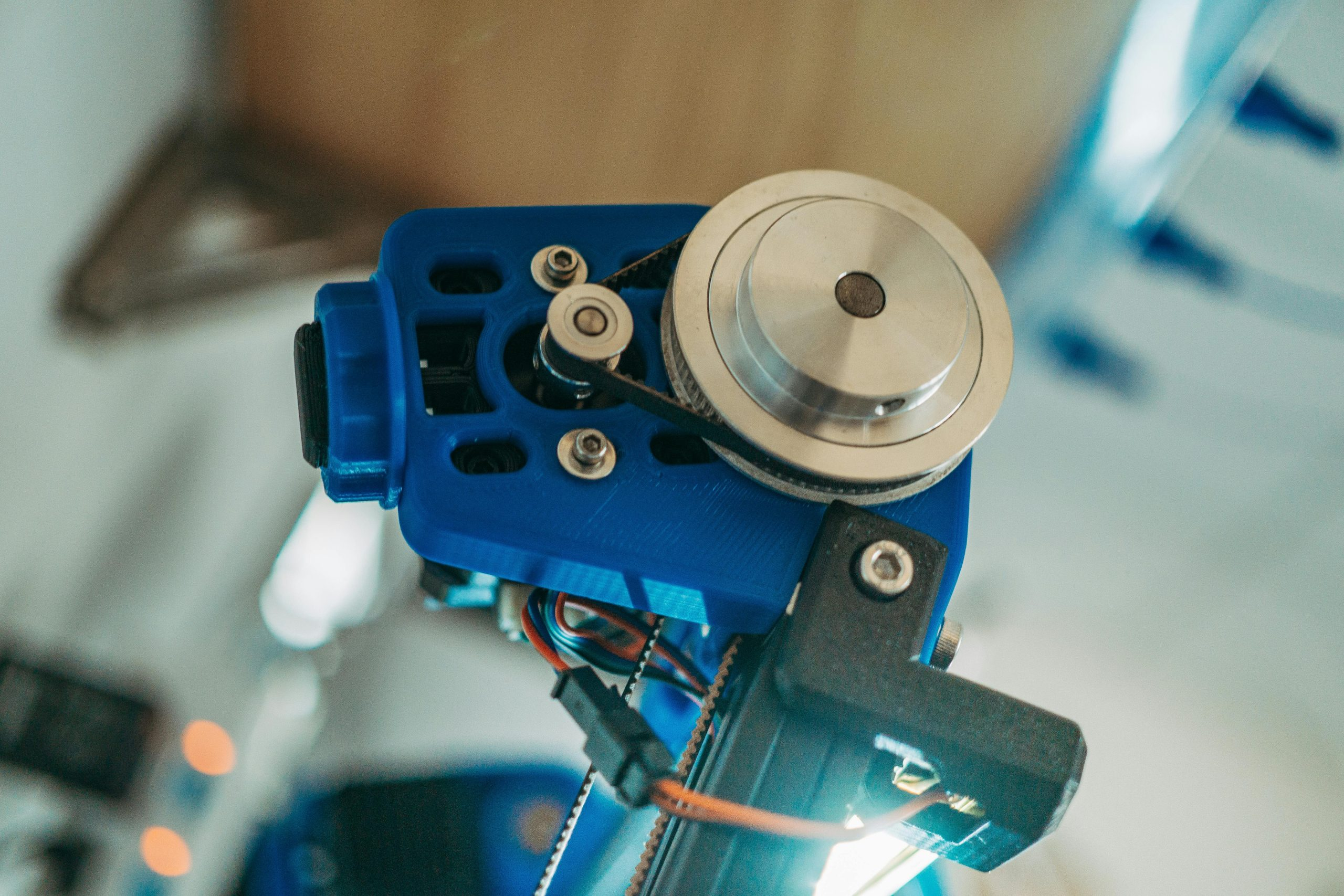
The Rise of Automation in Manufacturing and Industrial Jobs
Automation refers to the use of technology to perform tasks that were previously carried out by humans. In the case of manufacturing and industrial jobs, automation involves the use of robots, artificial intelligence, and other advanced technologies to complete various processes in the production line. This has led to increased efficiency and productivity, as machines can work faster and with fewer errors compared to humans. As a result, many companies have embraced automation in an attempt to keep up with the ever-increasing demands of the market.
The Positive Impact of Automation on Manufacturing and Industrial Jobs
One of the biggest advantages of automation in these jobs is the increase in productivity. Machines can work round the clock without the need for breaks or shifts, leading to higher output. This, in turn, has translated into cost savings for companies, as they require fewer employees to complete the same amount of work. Additionally, automation has also led to improved safety in the workplace, as machines can handle hazardous tasks that would otherwise put humans at risk. Moreover, with the use of advanced technologies, the quality of products has also improved, giving companies a competitive edge in the market.
The Negative Impact of Automation on Manufacturing and Industrial Jobs
Despite its numerous benefits, automation has also had a negative impact on manufacturing and industrial jobs. With machines taking over tasks that were once carried out by humans, the demand for manual labor has reduced significantly. This has led to a decrease in job opportunities and a rise in unemployment in the industry. Furthermore, the jobs that are left require a different skill set, meaning that many workers may have to undergo retraining or risk being laid off. This has caused concern for many workers and their future job prospects.
The Future of Manufacturing and Industrial Jobs with Automation
The integration of automation in these jobs is inevitable, and it is bound to have a significant impact on the future of work. As technology continues to advance, more and more tasks will be automated, leading to a decline in the number of jobs available. This means that the industry will need to find ways to retrain workers and equip them with the necessary skills to thrive in an automated environment. It also calls for a need to create new job roles that can complement automation and maximize its benefits.
The Importance of Finding a Balance
As with any technological advancement, it is essential to find a balance between the benefits of automation and its potential consequences. While it can lead to increased efficiency and productivity, it should not come at the cost of job losses and unemployment. Companies and governments need to work together to ensure that automation is implemented responsibly, taking into consideration the impact on workers and the economy.
In conclusion, the impact of automation on manufacturing and industrial jobs is both positive and negative. It has led to increased productivity, efficiency, and safety, while also causing job losses and unemployment. The key is to find a balance and utilize automation to its fullest potential while also creating opportunities for workers to adapt and thrive in the changing landscape of work.