The Impact of Socioeconomic Status on Educational Opportunities
Education is often seen as a pathway to success, providing individuals with the knowledge and skills necessary to achieve their goals. However, the opportunity for quality education is not equally distributed among all members of society. Socioeconomic status, or the social and economic standing of individuals, has a significant impact on educational opportunities. In this article, we will explore the ways in which socioeconomic status affects access to education, and the implications it has for individuals and society as a whole.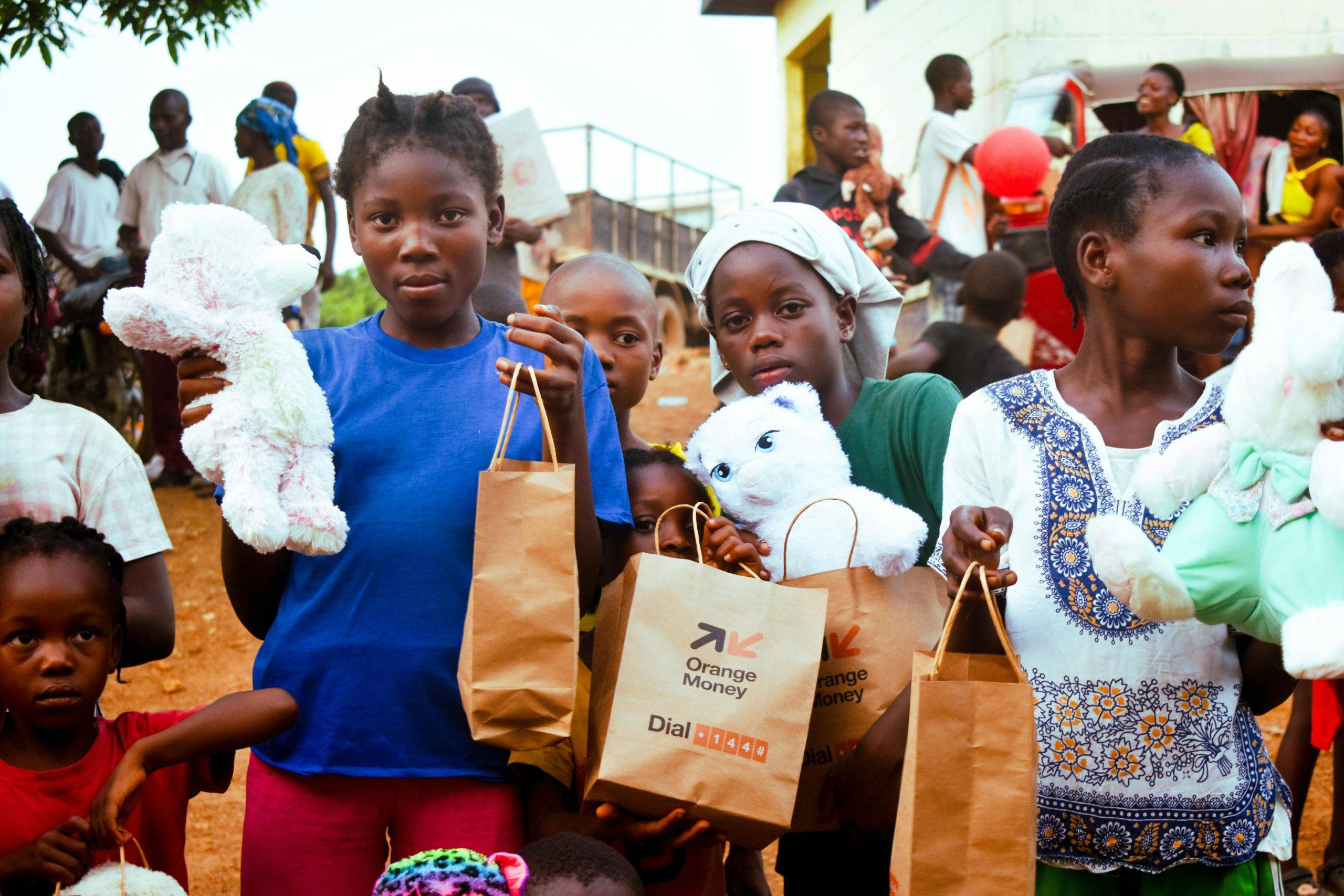
The Unequal Starting Line
Socioeconomic status encompasses a variety of factors, including income, education level, and occupation. These factors have a profound influence on the opportunities available to individuals, particularly when it comes to education. Unfortunately, the starting line is not equal for everyone. Children from low-income families often face significant financial barriers to educational success, such as lack of resources for books, technology, and school supplies. This can lead to a disadvantage in terms of academic performance and limit their access to more advanced educational opportunities.
The Quality of Education
The impact of socioeconomic status on education extends beyond financial limitations. It also affects the quality of education that individuals receive. Schools in low-income areas often have less funding and resources, resulting in inadequate facilities and a shortage of qualified teachers. This leads to a lower quality of education compared to schools in more affluent areas. As a result, students from lower socioeconomic backgrounds may not receive the same level of education as their wealthier peers, putting them at a disadvantage when it comes to academic achievement and future opportunities.
The Cycle of Inequality
The impact of socioeconomic status on education is cyclical. A lack of quality education leads to fewer opportunities for higher education and better-paying jobs, resulting in individuals being stuck in a low-income bracket. This perpetuates the cycle of poverty and inequality, making it difficult for individuals to break free from their socioeconomic status and achieve upward social mobility.
Promoting Social Justice
The unequal distribution of educational opportunities based on socioeconomic status also has broader implications for society. It perpetuates social inequality and hinders a society’s ability to achieve social justice. When individuals from low-income backgrounds are denied equal educational opportunities, they are also denied the chance to reach their full potential and contribute to society. This not only impacts the individual but also has a larger impact on the economy and overall well-being of a community.
The Role of Government and Community
Addressing the impact of socioeconomic status on educational opportunities is a complex issue that requires a multi-faceted approach. Government policies and initiatives can play a crucial role in leveling the playing field by providing equal access to education for all individuals. This can include increased funding for schools in low-income areas, tuition assistance programs, and policies aimed at reducing income inequality. At the same time, communities can also play a role by providing support and resources to low-income families, such as mentorship programs, after-school programs, and scholarship opportunities.
The Power of Education
Despite the challenges posed by socioeconomic status, education has the power to break barriers and provide opportunities for social and economic mobility. It not only equips individuals with the necessary skills and knowledge to reach their full potential but also empowers them to advocate for themselves and their communities. Providing equal access to quality education for all individuals, regardless of socioeconomic status, is crucial for promoting social equality and building a thriving society.
In Conclusion
Socioeconomic status has a significant impact on educational opportunities, creating a cycle of inequality that affects individuals and society as a whole. Addressing this issue requires a collaborative effort from government, communities, and individuals to provide equal access to quality education for all. By recognizing and addressing the barriers to education for lower-income individuals, we can create a more just and equitable society where everyone has the chance to reach their full potential.