Developing Strong Skills in Audio Engineering and Mixing
When it comes to creating professional-sounding audio, having strong skills in audio engineering and mixing is crucial. Whether you are a musical artist, sound engineer, or producer, audio engineering and mixing are essential skills that can elevate the quality of your work. In this article, we will delve into the world of developing strong skills in audio engineering and mixing, and how these skills can improve the overall sound of your projects.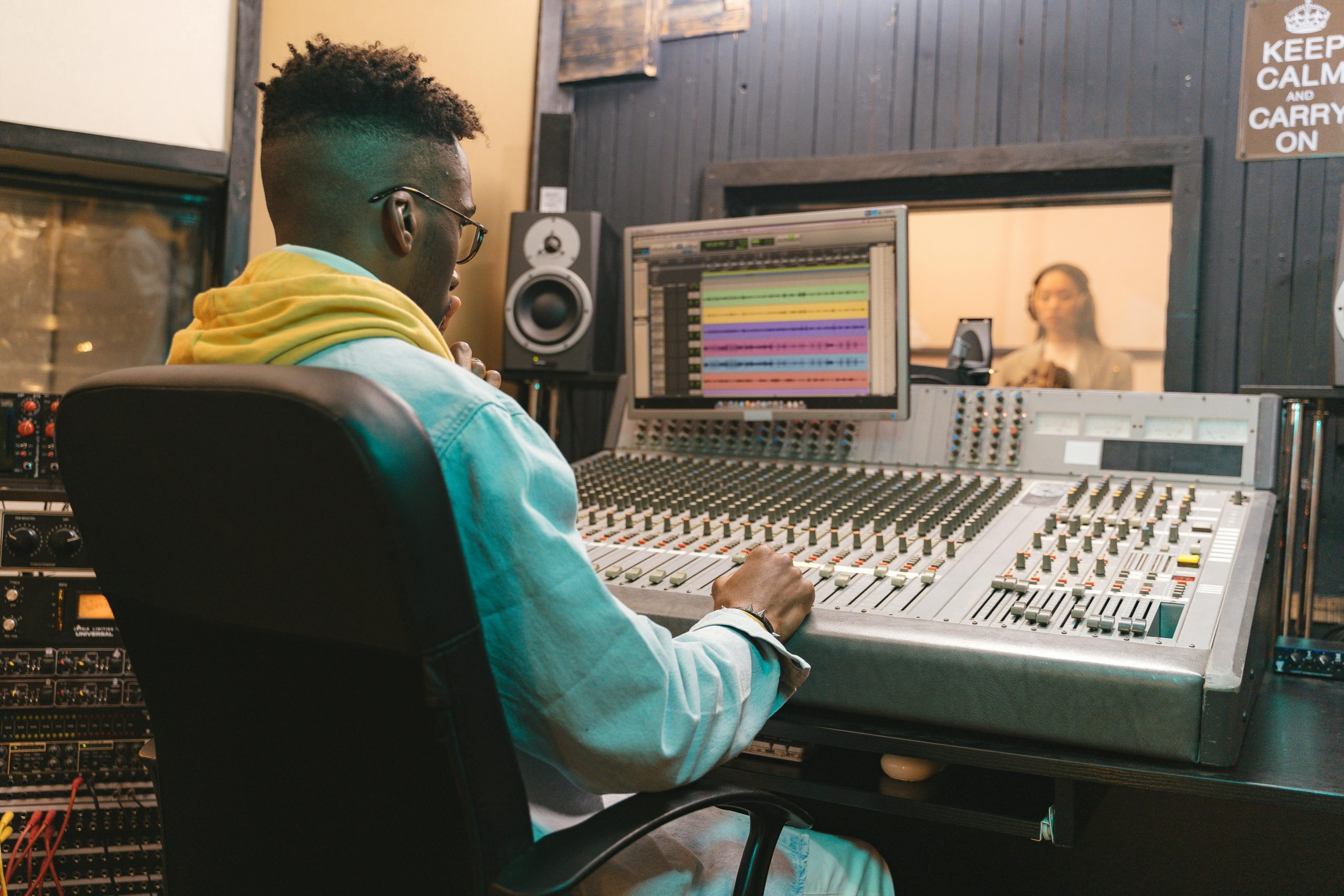
Understanding Audio Engineering and Mixing
Before we delve into developing strong skills in audio engineering and mixing, it’s important to have a clear understanding of what these terms mean. Audio engineering is the technical process of capturing, editing, and mastering sound. It involves using various equipment and software to achieve the desired sound quality.
Mixing, on the other hand, is the process of blending multiple audio tracks together to create a cohesive and balanced sound. It involves adjusting levels, panning, and applying effects to create a polished and professional sound. Both audio engineering and mixing play a vital role in creating high-quality audio recordings.
Tools of the Trade
In order to develop strong skills in audio engineering and mixing, you first need to have the right tools. The most important tool for audio engineering and mixing is a Digital Audio Workstation (DAW). This is a software that allows you to record, edit, and mix audio. There are many DAWs available on the market, including Pro Tools, Logic Pro, and Ableton Live.
Aside from a DAW, you will also need a good quality audio interface, microphones, and studio monitors. These will help you to capture and hear sound accurately, which is crucial for achieving professional results. It’s important to invest in high-quality tools as they will greatly impact the overall sound of your projects.
Mastering the Fundamentals
Now that you have the right tools, it’s time to focus on mastering the fundamentals of audio engineering and mixing. This includes understanding signal flow, EQ (equalization), compression, and reverb. Signal flow is the path that audio takes from the source to the recording medium. It’s important to understand how to properly route audio to achieve the desired sound.
EQ is a powerful tool that allows you to shape the frequency response of audio. It’s used to cut or boost certain frequencies to achieve a balanced and clear sound. Compression is another essential tool that helps to control the dynamics of audio. It’s used to even out the levels of audio, making it sound more cohesive and polished.
Reverb is an effect that simulates the sound of a room or space. It’s used to add depth and dimension to audio, and can greatly enhance the overall sound. Understanding and mastering these fundamentals is crucial for developing strong skills in audio engineering and mixing.
Practice Makes Perfect
As the saying goes, practice makes perfect. This is especially true when it comes to audio engineering and mixing. The more you practice, the more you will develop your skills and fine-tune your techniques. It’s important to experiment with different tools and techniques to find what works best for you.
It’s also helpful to seek feedback from other professionals or mentors in the industry. They can offer valuable tips and insights that can help you improve your skills. Collaborating with other musicians, artists, and producers is also a great way to learn and grow as an audio engineer and mixer.
Keep Up with Technology and Trends
In the ever-evolving world of technology, it’s important to stay up-to-date with the latest tools and trends in audio engineering and mixing. This means regularly exploring new software, equipment, and techniques. It’s also important to keep an open mind and be willing to adapt and learn new things.
Follow blogs, forums, and industry publications to stay informed and connected with the audio community. Attend conferences, workshops, and seminars to network and gain new insights into the world of audio engineering and mixing.
Conclusion
Developing strong skills in audio engineering and mixing takes time, dedication, and practice. With the right tools, a solid understanding of the fundamentals, and a commitment to continually learning and evolving, you can elevate the quality of your audio projects and stand out in the competitive music industry. Remember to always strive for excellence and never stop honing your craft as an audio engineer and mixer.