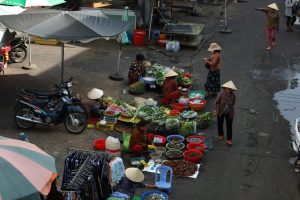
The Role of Local Regulations in Street Vending and Markets
When walking down the streets of any bustling city, it is not uncommon to come across street vendors and local markets selling a variety of products. These vendors play a crucial role in the economy by providing affordable goods and services to both locals and tourists. However, their presence is often met with controversy and backlash from certain groups, leading to the implementation of local regulations to control their activities. In this article, we will delve into the role of these regulations in managing street vending and markets, and how they affect the vendors, consumers, and the community as a whole.
The Necessity of Local Regulations
Street vending and local markets are closely intertwined with local cultures and economies. They bring diversity and life to the streets, creating a unique and vibrant atmosphere. However, without proper regulations, this can become chaotic and pose a risk to public safety. Local regulations help to maintain order and ensure the smooth operation of these activities.
One of the main reasons for the implementation of local regulations is to ensure the vendors operate in a safe and sanitary manner. This includes guidelines on food handling and preparation, proper waste management, and designated selling areas to prevent overcrowding and accidents. For example, in New York City, street vendors are required to obtain a permit and undergo food safety training before they can sell their products. These regulations not only protect the consumers but also promote a healthy and clean environment for all.
The Impact on Street Vendors
The implementation of local regulations can have a significant impact on the livelihoods of street vendors. Some regulations may require vendors to obtain permits or licenses, which can be costly and difficult for low-income individuals. This creates a barrier to entry for aspiring vendors and can lead to a decrease in competition among existing vendors. Moreover, strict regulations can limit the products that vendors are allowed to sell, limiting their income-generating opportunities.
On the other hand, regulations can also protect the vendors from unfair competition and harassment from other businesses. In some cases, vendors without permits may be forced to shut down by enforcement agencies, leaving them with no means of income. Regulations can also provide a level playing field for all vendors, ensuring that they all follow the same guidelines and have an equal opportunity to succeed.
The Effects on Consumers
Consumers also play an essential role in the debate over local regulations for street vending and markets. They are often the ones most affected by the regulations, as they rely on these activities for affordable and convenient goods and services. Regulations that limit the products or locations of street vendors can restrict access and options for consumers. For instance, regulations that prohibit street vending in certain areas may force consumers to travel further or rely on more expensive alternatives.
However, regulations that ensure the safety and cleanliness of street vending can benefit consumers by providing peace of mind and reducing health risks. For example, a city in Brazil that implemented strict regulations on food handling and sanitation saw a decrease in cases of food-borne illnesses among consumers. This shows the importance of finding a balance between regulations and consumer needs.
The Role of Local Communities
Local communities also have a significant role to play in the success of regulations for street vending and markets. They are often the ones directly impacted by the presence of these activities, and their cooperation is essential for the smooth operation of regulations. Community involvement in the decision-making process can help to create regulations that are fair and considerate of both vendors and consumers.
Moreover, local communities can also work together with vendors to create a sense of ownership and pride in their neighborhoods. In cities like Tokyo and Bangkok, local communities have come together to support their street vendors, resulting in organized and clean markets that are well-received by both locals and tourists.
In Conclusion
Local regulations play an integral role in managing street vending and markets. They ensure the safety and cleanliness of the activities, protect the interests of both vendors and consumers, and foster a sense of community involvement. However, it is crucial to strike a balance and consider the needs of all parties involved in the decision-making process. By working together, we can create a vibrant and inclusive street vending and market atmosphere for all to enjoy.