Navigating the World of Spices: A Global Flavor Guide
Welcome to the flavorful world of spices! No matter where you go in the world, you’ll find that spices play a vital role in every cuisine. From the fiery heat of Indian curries to the fragrant herbs of Italian pasta sauces, spices are responsible for adding depth, complexity, and of course, flavor, to our favorite dishes. With such a vast array of spices to choose from, it can be overwhelming to know where to start. That’s why we’ve created this global spice guide to help you navigate your way through the wonderful world of spices.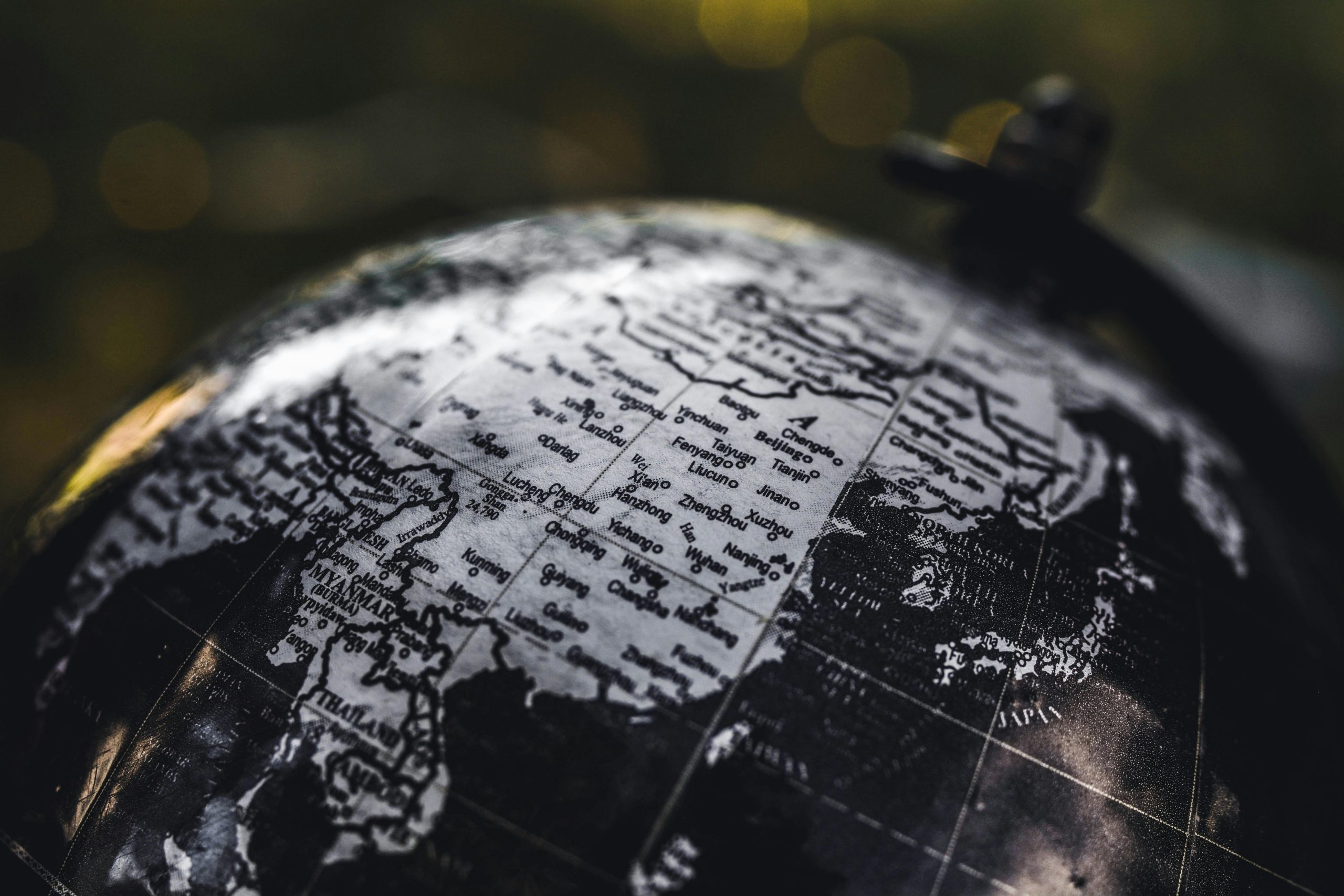
Understanding the Basics of Spices
Before we delve into the different spices used around the world, it’s important to understand the basics of spices. Spices are the aromatic seeds, berries, roots, fruits, and bark of plants. They are used to add distinct flavors, colors, and aromas to food. Spices can be used whole, ground, or in paste form, and each method of use can result in a unique flavor profile. When used correctly, spices can elevate a dish from bland to delicious in a matter of seconds.
Whole Spices
Whole spices, such as cloves, cinnamon sticks, and cardamom pods, are used to infuse flavors into dishes. They can be added at the beginning of the cooking process to release their flavors slowly, or they can be added at the end as a finishing touch. Whole spices are typically removed from the dish before serving.
Ground Spices
Ground spices, like cumin, turmeric, and paprika, are used to add intense flavor to dishes quickly. They are readily available in most supermarkets and can be used alone or in combination with other spices. Ground spices can also be roasted or toasted before use to enhance their flavors even further.
Spice Pastes
Spice pastes, such as curry paste, harissa, and jerk seasoning, are a convenient way to add a combination of spices to dishes. They are made by grinding spices and other ingredients together to create a paste that can be used as a marinade, sauce, or rub. These pastes are a great option for those who want to add complex flavors to their dishes, but may not have access to individual spices.
Exploring Spice Regions and Their Signature Spices
Spices are used in cuisines all over the world, but some regions are known for their specific spices. Let’s take a culinary journey around the globe and explore the spices that give each region its unique flavor profile.
Asia
In Asia, spices are an essential part of every dish. From the fiery chilis of Thailand to the warm spices of India, Asian cuisines are known for their complex and aromatic flavors. Here are some of the signature spices in Asian cooking:
– Cumin: This spice is widely used in Indian and Middle Eastern cuisine and adds a warm, earthy flavor to dishes.
– Turmeric: This spice is known for its vibrant yellow color and is used in curries, stews, and rice dishes in South and Southeast Asian cuisines.
– Five-Spice Powder: A staple in Chinese cooking, this blend of spices includes star anise, cloves, cinnamon, fennel, and Sichuan pepper.
Europe
In Europe, spices have played an important role in cooking since ancient times. From the Mediterranean to the Northern countries, European cuisine is rich in flavorful spices. Here are some of the key spices used in European cuisine:
– Basil: This herb is an essential ingredient in Italian cooking and is used in dishes such as pasta sauce, pizza, and pesto.
– Paprika: A hallmark spice in Hungarian cuisine, paprika adds a sweet, smoky flavor to dishes, and is often used in goulash and stews.
– Dill: This herb is commonly used in Scandinavian cuisine and pairs well with fish and potatoes.
Africa
African cuisine is a melting pot of flavors and spices, with influences from the Middle East, India, and Europe. Here are some of the key spices used in African cooking:
– Harissa: This spice paste is used in North African cuisine and is made from chili peppers, garlic, and other spices. It adds a burst of heat and flavor to dishes.
– Ras el Hanout: This Moroccan spice blend contains a mix of warm and sweet spices and is used in tagines, stews, and rice dishes.
– Grains of Paradise: This West African spice has a peppery and slightly floral flavor, and is used to marinate meats and flavor soups and stews.
Americas
The Americas have a diverse array of cuisines, each with its own unique spice profile. From the smoky chilis of Mexico to the aromatic herbs of the Caribbean, spices are a defining element of American cooking. Here are some of the signature spices used in American cuisines:
– Cilantro: This herb is widely used in Mexican and Latin American cuisine, adding a fresh, citrusy flavor to dishes.
– Adobo Seasoning: This all-purpose seasoning is used in Mexican, Caribbean, and Filipino cooking, and typically contains a mix of garlic, onion, cumin, and oregano.
– Allspice: This spice is found in dishes across the Caribbean and Latin America and has a flavor reminiscent of cloves, cinnamon, and nutmeg.
Incorporating Spices Into Your Cooking
Now that you have a better understanding of the different spices used around the world, it’s time to put that knowledge into practice. Here are some tips for incorporating spices into your cooking:
– Experiment with different spice combinations to create unique flavors and cuisines.
– Start with small amounts of spices and adjust to taste to avoid overpowering your dish.
– Buy spices in small quantities to ensure they are fresh and full of flavor.
With this global spice guide in hand, you’ll be able to navigate the world of spices and add delicious flavors to your dishes. So, go ahead and get creative in the kitchen with spices from around the world!