
The Case for Smaller Class Sizes and Individualized Attention
In today’s education system, there is a growing emphasis on larger class sizes and standardized teaching methods. However, research has shown that smaller class sizes and individualized attention can have a profound impact on a student’s learning and academic success. In this article, we will dive into the case for smaller class sizes and why individualized attention is crucial in providing a quality education for students.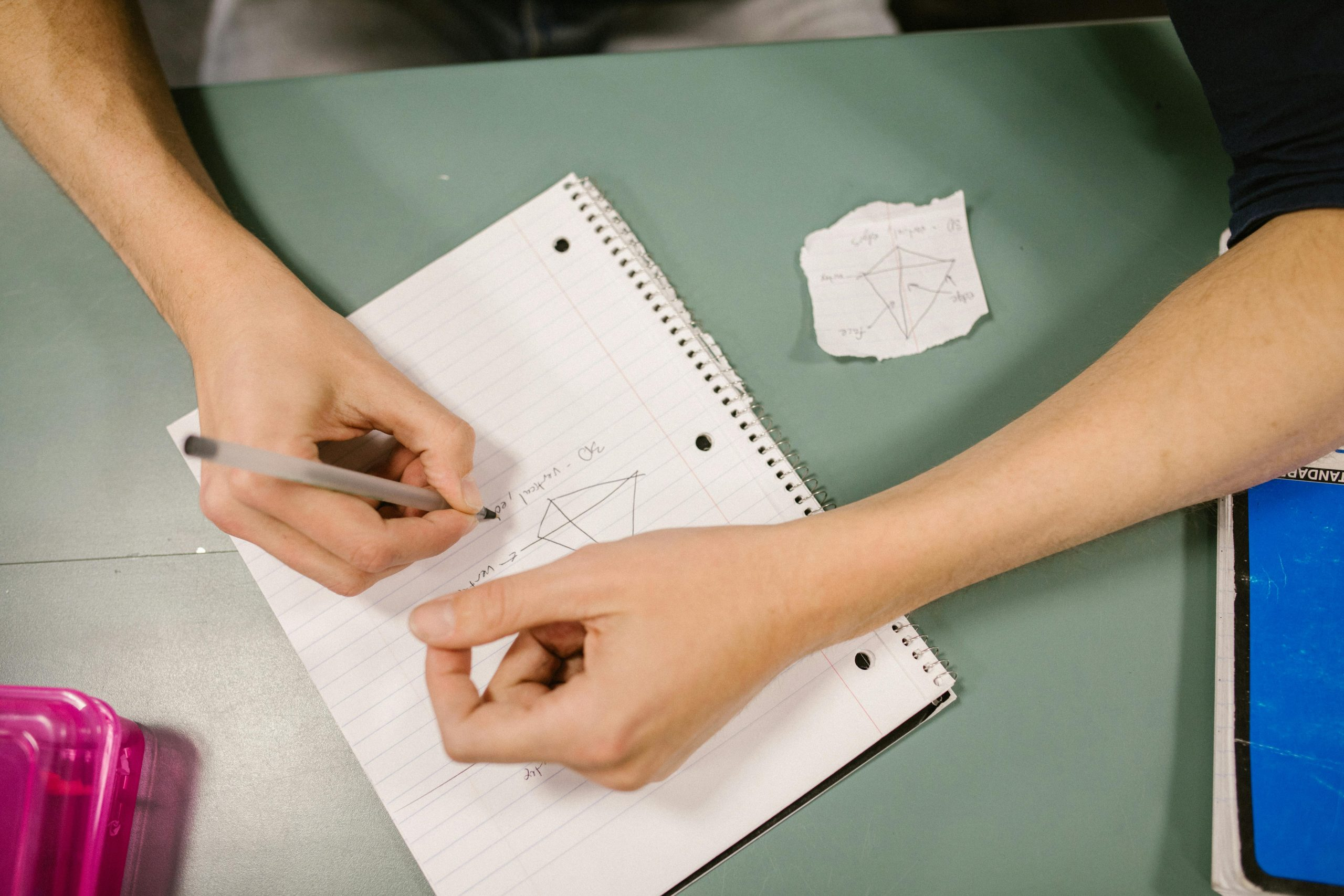
The Evidence for Smaller Class Sizes
One of the main reasons for advocating for smaller class sizes is the positive impact it has on student achievement. A study by the National Education Policy Center found that students in smaller classes were more likely to have higher test scores and better grades compared to their peers in larger classes. This is due to the fact that smaller class sizes allow for more personal attention from teachers, leading to a more effective and personalized learning experience.
Beyond academic achievement, smaller class sizes also have a significant impact on student behavior. With fewer students in a class, teachers are better able to manage classroom dynamics and provide a more structured learning environment. This leads to a decrease in disruptive behavior and an increase in student engagement, ultimately creating a more positive learning atmosphere.
The Importance of Individualized Attention
Individualized attention is a crucial component of smaller class sizes and is often overlooked in larger classrooms. With more students to manage, teachers may not have the time or resources to give each student the individual support and instruction they need. This can result in some students falling behind while others thrive, creating educational inequalities.
On the other hand, smaller class sizes allow teachers to cater to the unique learning needs and styles of each student. They can provide one-on-one support, identify and address learning gaps, and tailor their teaching methods to match the individual needs of their students. This personalized approach leads to a deeper understanding of the material and an increase in overall academic success.
The Impact on Student Well-Being
In addition to academic success, smaller class sizes and individualized attention also play a crucial role in students’ well-being. With fewer students to compete with, students in smaller classes tend to have higher self-esteem and feel more confident in their abilities. They are also more likely to participate and contribute in class, fostering a sense of community and creating a positive learning environment.
Moreover, smaller class sizes allow teachers to build stronger relationships with their students. This connection goes beyond teaching and allows teachers to also act as mentors and role models for their students. Research has shown that these strong teacher-student relationships can lead to improved behavior, attendance, and overall academic performance.
The Cost-Effective Solution
Despite the numerous benefits of smaller class sizes and individualized attention, many argue that it is not a feasible solution due to the cost implications. However, studies have shown that smaller class sizes can actually save money in the long run. With better academic and behavioral outcomes, there is a decrease in the need for interventions and remedial education, ultimately reducing costs for the education system.
Moreover, investments in smaller class sizes and individualized attention can lead to long-term benefits for society as a whole. With a better-educated population, there is a decrease in poverty, crime rates, and a boost in economic growth.
Conclusion
The case for smaller class sizes and individualized attention is clear. It leads to improved academic achievement, better student behavior, and positive impacts on student well-being. While there may be concerns about the cost, the long-term benefits for both individuals and society make it a worthwhile investment. As we strive towards providing a quality education for all students, it is crucial to consider the positive impact that smaller class sizes and individualized attention can have on our education system.