Making Education Relevant: Connecting Theory to Real-World Practice
In today’s rapidly changing world, the importance of education cannot be overstated. However, education that is disconnected from real-world applications can be ineffective in preparing students for their future careers and lives. As educators, it is crucial to bridge the gap between theory and practice in order to make education relevant and impactful. This article will explore the concept of connecting theory to real-world practice and its significance in education. 
The Relevance of Education
Education is often seen as the key to a successful and fulfilling life. It provides individuals with the knowledge, skills, and opportunities necessary to achieve their goals and contribute to society. However, with the constantly evolving job market and advancements in technology, the traditional approach of solely focusing on theoretical concepts may no longer be enough. Students need to be equipped not only with theoretical knowledge but also with the ability to apply it in real-world situations. This is where the concept of making education relevant comes into play.
What is the Connection Between Theory and Practice?
As the saying goes, “theory without practice is just armchair philosophy”. The same is true for education. Theory provides the foundation and understanding of a subject, while practice puts it into action and allows for its application in real-world scenarios. Connecting theory to practice in education enables students to develop critical thinking skills, creativity, and problem-solving abilities – essential skills for success in any field.
The Benefits of Connecting Theory to Real-World Practice
There are numerous benefits to incorporating real-world practice into education. One of the primary advantages is the development of practical skills and knowledge that are relevant to the current job market. Students gain hands-on experience and are better prepared for the challenges and demands of their future careers.
Moreover, when students are actively engaging with real-world problems, they become more invested and motivated in their learning. This leads to a deeper understanding and retention of the material. Instead of just memorizing facts and figures, students are actively applying and experimenting with theoretical concepts, making the learning experience more enjoyable and meaningful.
Practical Examples of Incorporating Real-World Practice
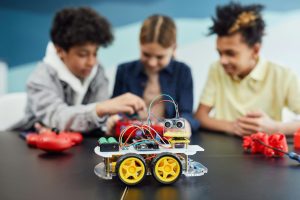
There are many ways to connect theory to real-world practice in education. One effective approach is through project-based learning. In this method, students work on hands-on projects that require them to apply theoretical concepts to solve a real-world problem. This encourages critical thinking, collaboration, and creativity, as well as provides a practical application of the subject matter. Another approach is through internships or job shadowing, where students have the opportunity to gain firsthand experience in a professional setting. This not only exposes students to the practical side of their field of study but also helps them build valuable connections and networks for their future careers.
Challenges and Solutions
Despite the benefits of connecting theory to real-world practice, there are also challenges that educators may face. One of the biggest obstacles is the lack of resources and time. It takes effort and resources to design and implement practical learning activities, and not all schools may have the means to do so. However, there are ways to overcome these challenges. Teachers can collaborate with other educators, organizations and businesses to bring real-world experiences into the classroom. They can also utilize technology to simulate real-world scenarios and provide students with virtual hands-on experiences.
In Conclusion
The gap between theory and practice in education is a longstanding issue that needs to be addressed. By making education relevant and connecting theory to real-world practice, students can develop practical skills and knowledge that will prepare them for their future careers. It is the responsibility of educators to foster an environment where learning goes beyond the classroom and into the real world, providing students with the tools and experiences needed to succeed in an ever-changing world.