The Future of Retail: Integrating Technology into the Experience
The retail industry has undergone significant changes over the past few decades, with advancements in technology shaping the way consumers shop and businesses operate. From online shopping to contactless payments, technology has transformed the retail experience for both customers and retailers. As technology continues to evolve at a rapid pace, retailers must adapt and integrate it into their strategies to meet changing consumer demands and stay ahead in an increasingly competitive market. In this article, we will explore the future of retail and how technology is revolutionizing the industry, particularly when it comes to creating a more seamless and personalized shopping experience for customers.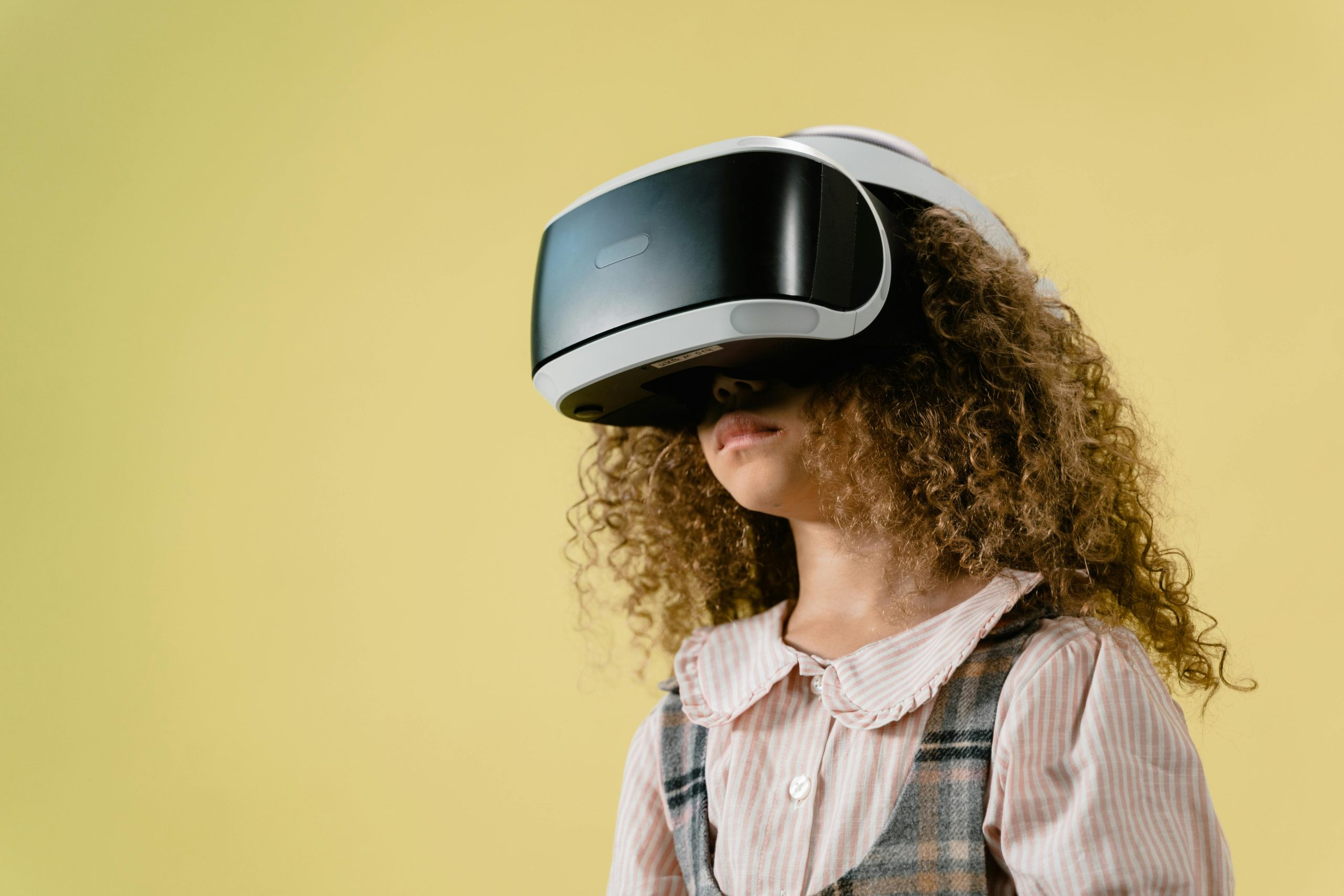
The Rise of E-Commerce and Digital Channels
The rise of e-commerce has had a significant impact on the retail industry, with more and more consumers turning to online shopping for convenience and accessibility. In fact, according to Statista, global e-commerce sales are expected to reach $4.9 trillion by 2021, highlighting the growing importance of digital channels in the retail landscape.
One of the biggest advantages of e-commerce is the ability to browse and purchase products at any time, from anywhere. This convenience factor has become even more crucial with the rise of mobile shopping, where consumers can make purchases on their smartphones or tablets. As a result, retailers must ensure that their websites are optimized for mobile devices to provide a seamless shopping experience and cater to the growing number of mobile shoppers. Failure to do so could result in lost sales and dissatisfied customers.
Moreover, e-commerce has also opened up opportunities for retailers to collect and analyze valuable data on consumer behavior. With tools like Google Analytics, retailers can gain insights into their customers’ browsing and purchasing patterns, allowing them to tailor their marketing strategies and product offerings to suit their target audience better.
The Impact of AR and VR on the Retail Experience
Augmented reality (AR) and virtual reality (VR) technologies have emerged as exciting innovations in the retail industry. These technologies offer customers an immersive shopping experience and allow them to visualize products in their own space, making the online shopping experience more interactive and engaging.
For example, IKEA’s AR app, “Place,” allows customers to place Ikea furniture in their home using their smartphone’s camera, giving them a realistic preview of how the product would look in their space. This not only makes the shopping experience more fun but also helps customers make more informed purchasing decisions.
Similarly, VR technology has been used by retailers like The North Face to create virtual shopping experiences where customers can “try on” products in a simulated environment, giving them a sense of how the product would look and feel in real life. Such technologies go a long way in bridging the gap between online and in-store shopping, providing customers with a more personalized and convenient shopping experience.
Contactless Payments and Self-Service Options
The COVID-19 pandemic has accelerated the adoption of contactless payments, with consumers looking for safer and more convenient ways to pay for their purchases. As a result, retailers have had to adapt and implement contactless payment options to cater to changing consumer behavior and adhere to health guidelines.
Moreover, self-service options, such as self-checkout kiosks, have also become increasingly popular, allowing customers to make purchases quickly and efficiently. These technologies not only streamline the shopping experience but also reduce the need for human interaction, making them especially appealing during the pandemic.
The Role of AI and Personalization in the Retail Industry
Artificial intelligence (AI) has become an integral part of the retail industry, with retailers using it to analyze data, automate processes, and personalize the shopping experience for customers. AI-powered chatbots, for example, can assist customers with their queries and provide personalized product recommendations, making the shopping experience more efficient and tailored to their needs.
Personalization has also become a crucial aspect of the retail experience, with consumers expecting retailers to understand their preferences and offer personalized recommendations. AI allows retailers to analyze customer data, such as purchase history and browsing behavior, to provide targeted and relevant product suggestions. This not only enhances the customer experience but also increases the chances of making a sale.
Challenges and Considerations for Retailers
While technology has brought a host of benefits to the retail industry, it has also posed challenges for retailers to stay on top of the latest advancements and ensure a consistent and seamless shopping experience for customers. Adopting and integrating new technologies can be expensive and time-consuming, especially for smaller retailers with limited resources.
Moreover, concerns around data privacy and security continue to be a major consideration for retailers, particularly with the increase in online shopping and the collection of customer data. As such, it is essential for retailers to prioritize data protection and implement systems to secure sensitive customer information.
Conclusion
As technology continues to advance and change consumer behaviors, retailers must keep up and integrate it into their strategies to remain competitive. Whether it’s through e-commerce, AR and VR, contactless payments, or AI, technology offers retailers ways to enhance the shopping experience, personalize offerings, and increase efficiency. However, retailers must also be mindful of the challenges and considerations that come with adopting and implementing new technologies to ensure a seamless and secure experience for customers.
As the retail industry continues to evolve, one thing is clear – technology will play a crucial role in shaping the future of retail and the overall shopping experience for consumers.