
Effective Techniques for Teaching Science Concepts Visually
Teaching science concepts visually can be an effective method for engaging students of all ages and learning styles. The traditional approach of using textbooks and lectures may not fully capture the attention and understanding of students, but utilizing visual aids can bring a whole new level of excitement and comprehension to the subject. In this article, we will explore some of the best techniques for teaching science concepts through visual means.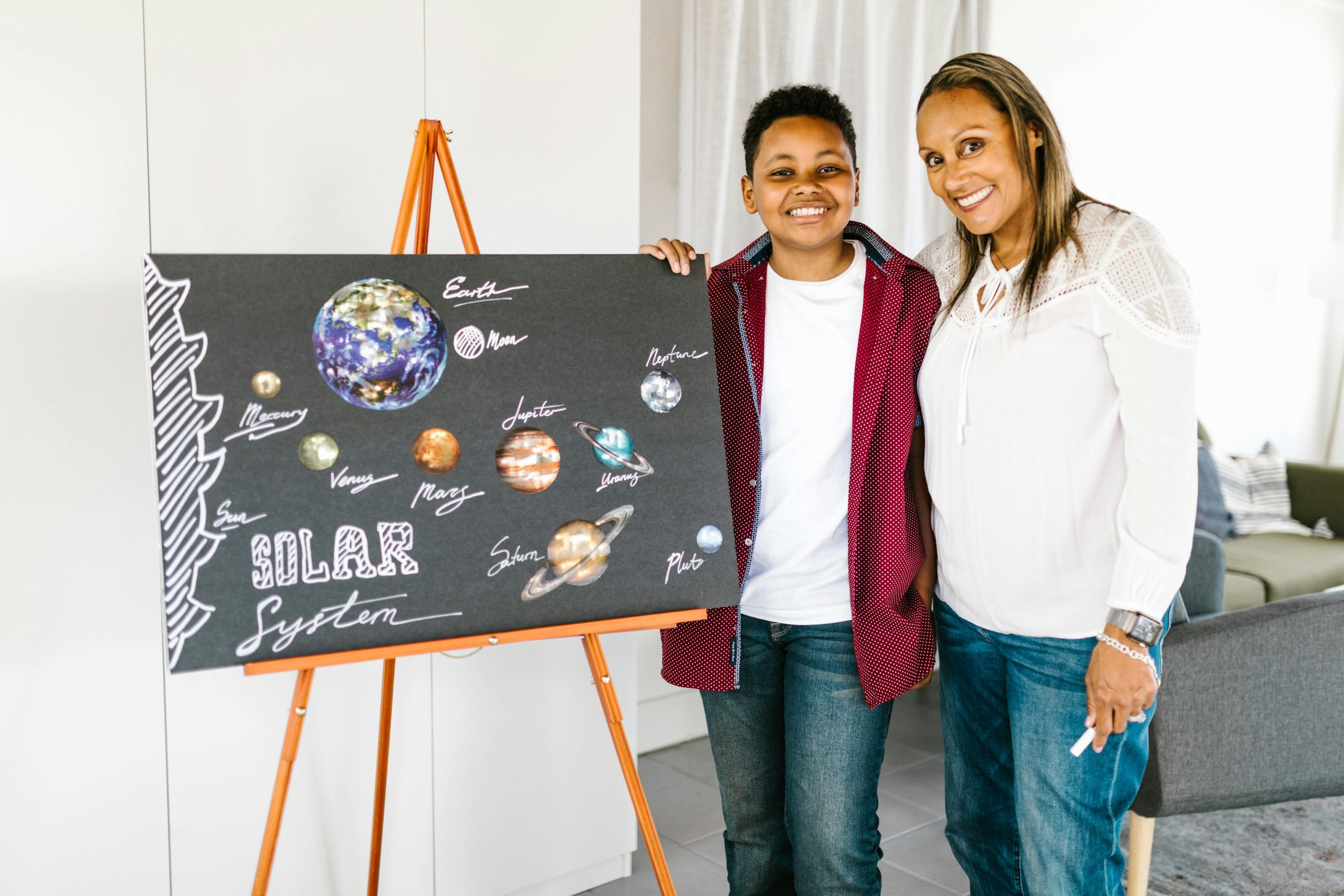
The Power of Visualization
The saying “a picture is worth a thousand words” holds true for teaching science concepts as well. Visual aids such as diagrams, images, videos, and animations can help students to better understand complex scientific concepts by providing a visual representation. This can be especially helpful for students who are more visual learners and may struggle with abstract concepts.
Use Real-life Examples
One of the most effective ways to teach science concepts visually is by using real-life examples. This not only makes the subject more relatable and interesting for students but also helps them to see how science is present in their everyday lives. This technique can be applied to all fields of science, whether it’s biology, chemistry, physics, or astronomy.
For example, when teaching about force and motion in physics, you can use a video clip of a rollercoaster to demonstrate the principles of acceleration and inertia. Or in biology, you can bring in real specimens or use interactive online tools to showcase the different parts and functions of a cell. By using tangible examples, students can better visualize and understand the concepts being taught.
Incorporate Interactive Activities
Another effective technique for teaching science visually is to incorporate interactive activities. This allows students to actively engage and participate in the learning process, rather than just passively receiving information. Interactive activities can range from simple experiments in the classroom to digital simulations and games.
For instance, when teaching about the water cycle, you can have students create a mini water cycle model using a jar, water, and a heat source. As they observe the water evaporating, condensing, and precipitating, they can better understand the different stages of the water cycle. In chemistry, you can use online simulations to demonstrate chemical reactions and allow students to explore different elements and compounds in a safe and engaging manner.
Utilize Infographics and Mind Maps
Infographics and mind maps are great tools for summarizing and organizing information in a visual and easy-to-understand manner. They can be used to explain complex scientific concepts, theories, and processes, making it easier for students to remember and retain the information. Infographics can also include images, diagrams, and charts to further enhance the visualization of concepts.
Mind maps, on the other hand, use a diagrammatical structure to connect different ideas and concepts using keywords, images, and colors. They are especially useful for subjects that involve a lot of interconnected information, such as biology or environmental science. By using these tools, students can see the bigger picture and understand how different concepts are related to each other.
Encourage Student-led Projects
Finally, incorporating student-led projects into your teaching can provide a great visual learning experience. This gives students the opportunity to design and create their own visual aids, which can be highly engaging and memorable for them. Projects can range from creating models, posters, and presentations to building prototypes or designing digital media.
A student-led project can also allow for creativity and innovation, as students can choose their own methods and materials for presenting the information. This can be especially helpful for students who may struggle with traditional teaching methods and excel in hands-on, creative projects.
In conclusion, teaching science concepts visually is a highly effective method for engaging students and enhancing their understanding and retention of the subject. By incorporating real-life examples, interactive activities, infographics, and student-led projects, teachers can create a dynamic and engaging learning experience for their students. So go ahead and try out these techniques in your science classroom, and see the amazing results for yourself!