
Exploring the Potential of Virtual Reality in Classrooms
Virtual reality (VR) is no longer a sci-fi concept. The technology that was once reserved for amusement parks and gaming has now made its way into classrooms. With the advancements in hardware and software, VR has become a promising tool for education. This immersive technology has the power to transport students to different worlds, allowing them to experience a subject in a whole new way. As a result, educators are now exploring the potential of VR in classrooms, aiming to enhance traditional methods of teaching and improve student engagement. In this article, we will delve into the topic of virtual reality in education and discuss its potential impact on the future of learning.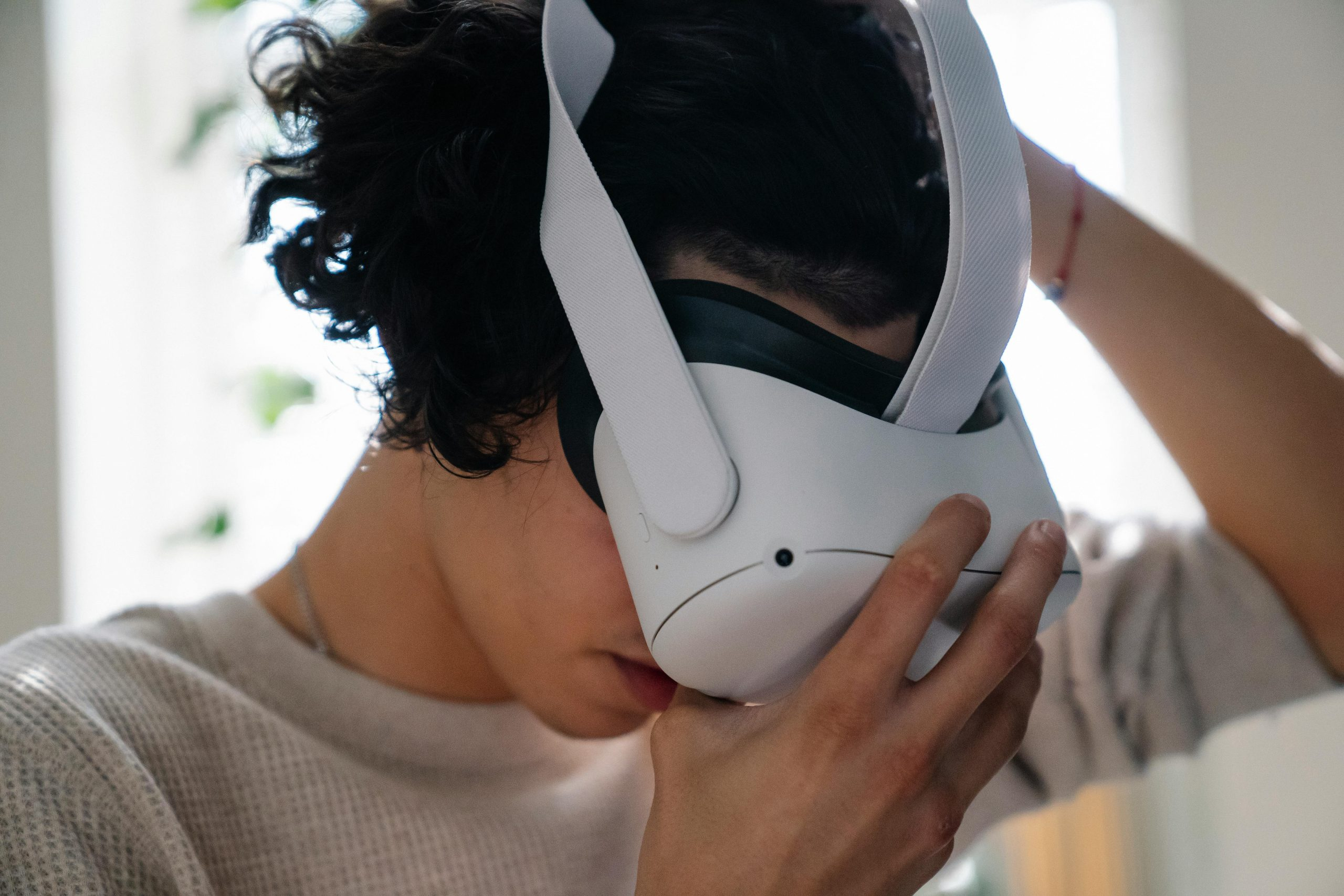
The Rise of Virtual Reality in Education
In recent years, virtual reality has gained mainstream recognition as a powerful tool for education. With the increasing availability of affordable VR headsets and educational content, schools are now incorporating this technology into their curriculum. According to a report by Goldman Sachs, the global market for VR in education is projected to reach $700 million by 2025. This shows the growing interest and investment in VR technology for educational purposes.
Enhancing Learning through Immersive Experiences
One of the key advantages of virtual reality in classrooms is its ability to provide immersive experiences. Students are no longer limited to textbooks and lectures to learn about a subject. Instead, they can enter a virtual world and interact with objects and concepts in a hands-on manner. For example, students can virtually explore the solar system, experience a historical event, or even take a field trip to a different country. These immersive experiences not only make learning more engaging but also help students retain information better.
Catering to Different Learning Styles
Virtual reality also has the potential to cater to different learning styles. Not all students learn in the same way. Some may prefer visual learning, while others may learn better through hands-on activities. VR can bridge the gap between these learning styles by providing a multi-sensory experience. It can appeal to both visual and kinesthetic learners, allowing them to absorb information in a way that suits them best. This can lead to a more inclusive learning environment, ensuring that every student has an equal opportunity to excel.
The Benefits of Virtual Reality in Classrooms
Increased Student Engagement
One of the biggest challenges for educators is keeping students engaged in the learning process. Traditional methods of teaching can often lead to boredom and disinterest, making it difficult for students to focus and learn. Virtual reality, on the other hand, offers a more interactive and stimulating learning experience. With its immersive nature, students are more likely to be engaged and actively participate in the lesson. This can result in increased motivation to learn and improved academic performance.
Improved Retention of Information
Studies have shown that active learning can lead to better retention of information compared to passive learning. Virtual reality provides an active learning experience by allowing students to engage with a subject, rather than just passively consuming information. This can lead to better retention and understanding of the material. In fact, a study by the National Training Laboratory found that learners retain approximately 90% of the information they experience firsthand through VR, compared to only 10% through reading or hearing.
Cost and Safety Benefits
Traditional learning methods often involve field trips, experiments, or equipment that can be costly and pose safety hazards. Virtual reality can provide a more cost-effective and safer alternative. Schools can save money on transportation, admission fees, and expensive equipment by using VR to simulate these experiences. Additionally, students can safely experience dangerous or inaccessible environments, such as outer space or remote locations, through VR.
Challenges to Implementing Virtual Reality in Education
High Initial Investment
One of the main challenges to implementing virtual reality in education is the cost involved. VR headsets, software, and development of educational content can be expensive for schools, especially for those with limited resources. This can hinder the widespread adoption of VR in classrooms. However, as technology evolves and becomes more affordable, we can expect to see the cost of VR decrease in the future.
Lack of Educational Content
Another challenge is the lack of educational content available for VR. While there are some pre-made VR experiences for educational purposes, the options are still limited. This puts the burden on educators to develop their own VR content, which can be time-consuming and require technological expertise. However, as VR gains traction in education, we can expect to see an increase in the development of educational content for a variety of subjects.
The Future of Virtual Reality in Education
The potential of virtual reality in education is vast. With the advancements in technology and the growing interest from educators, we will see more applications of VR in classrooms in the coming years. As VR becomes more affordable and the content becomes more extensive, we can expect to see a shift in the traditional methods of teaching. VR has the power to make learning more engaging, inclusive, and effective. It has the potential to revolutionize the way we learn and prepare students for the future.
Conclusion
Virtual reality has a lot to offer to the education sector. From enhancing traditional methods of teaching to providing immersive experiences, VR has the potential to transform the way we learn. While there are challenges to implementing VR in classrooms, the benefits outweigh them. As technology continues to advance and more educational content becomes available, we can expect to see virtual reality becoming an integral part of education. The future of learning looks bright with the potential of virtual reality in classrooms.