
Strategies for Developing Emotional Self-Regulation in Children
Emotional self-regulation is an important aspect of child development that often gets overlooked. We often focus on academic achievement and physical health, but emotional well-being is just as crucial for a child’s overall growth and success. Recent studies have shown that children who lack emotional self-regulation skills are more likely to struggle with social interactions, have difficulty managing their emotions, and have lower academic performance. As parents and caregivers, we play a crucial role in helping our children develop these important skills. In this article, we will discuss some effective strategies for developing emotional self-regulation in children.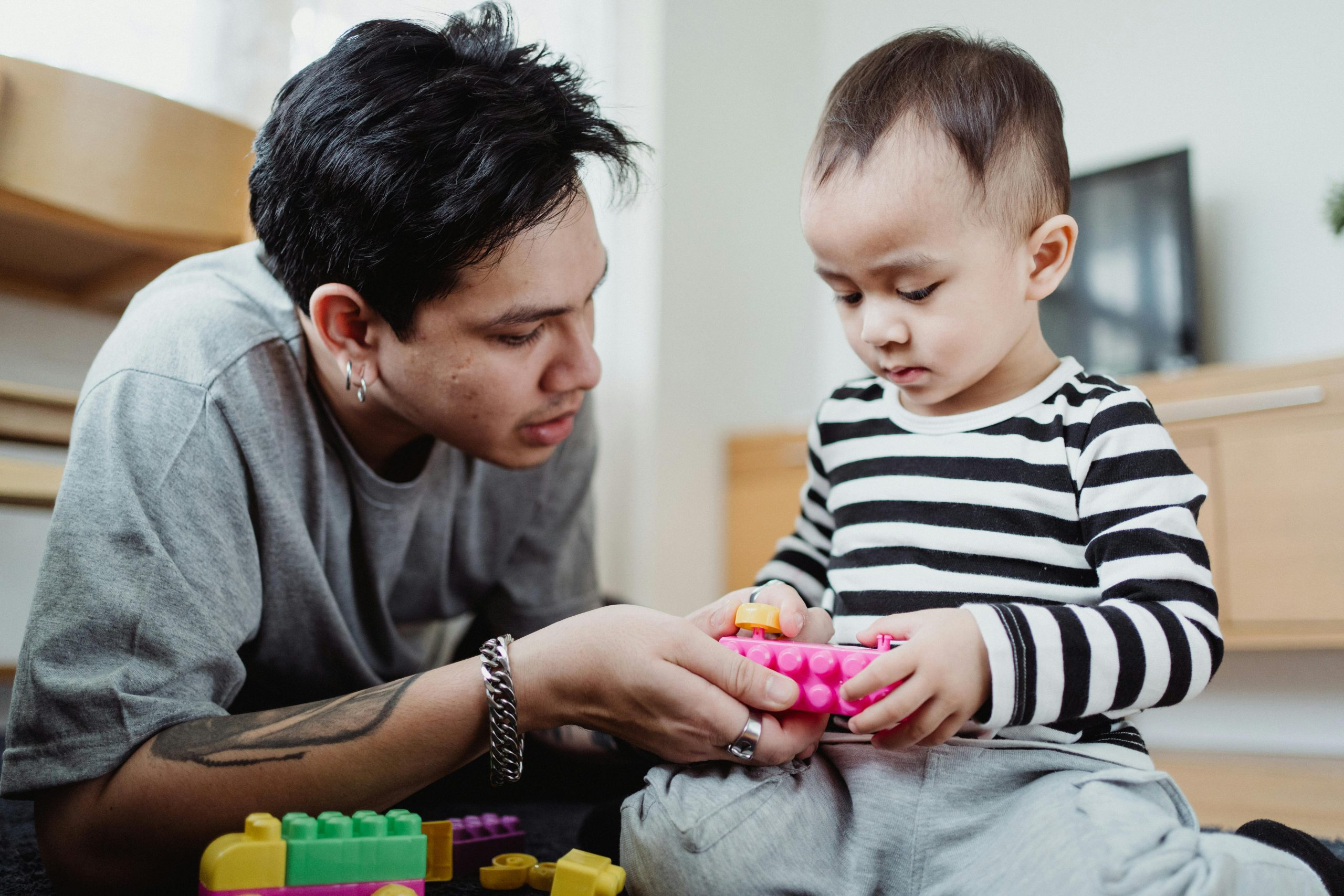
Understanding Emotional Self-Regulation
Before we dive into the strategies, let’s first understand what exactly emotional self-regulation is. Simply put, it is the ability to manage and control one’s emotions in a healthy and appropriate manner. It involves being able to recognize and understand one’s emotions, express them in a constructive way, and regulate them to achieve desired goals. Emotional self-regulation is a complex skill that requires cognitive, emotional, and behavioral processes to work together. It is a skill that is developed over time and with practice.
Strategies for Developing Emotional Self-Regulation in Children
1. Model Healthy Emotional Regulation
Children learn by observing and imitating those around them. As parents and caregivers, it is important to model healthy emotional regulation. This means being aware of your own emotions and how you express them. Show your children that it is okay to feel a range of emotions, but also demonstrate how to manage and express them in a positive way. For example, instead of reacting impulsively when feeling angry, take some deep breaths and calmly express your feelings. Your child will learn to do the same.
2. Teach Emotional Vocabulary
A key aspect of emotional self-regulation is having the ability to identify and label different emotions. In order to do this, children need to have a strong emotional vocabulary. By teaching them how to identify and label their emotions, you are helping them develop the language to express how they are feeling. Encourage your child to use emotional vocabulary by asking them to describe how they are feeling in different situations. This will also help them better understand the nuances of different emotions.
3. Create a Safe and Supportive Environment
Children who feel safe and supported are more likely to develop healthy emotional self-regulation skills. This means creating an environment where your child feels comfortable expressing their emotions without fear of judgment or punishment. It also means providing a space where they can discuss their feelings openly. By creating a safe and supportive environment, you are helping your child feel more secure and confident, which are important for emotional self-regulation.
4. Encourage Healthy Coping Mechanisms
We all have different ways of coping with difficult emotions. Some coping mechanisms are healthy, while others are not. As parents and caregivers, it is important to teach children healthy coping mechanisms. This can include things like taking a break and engaging in a calming activity, journaling, or talking to a trusted adult. By helping children develop healthy coping skills, you are setting them up for success in managing their emotions in a positive way.
5. Practice Mindfulness
Mindfulness is a powerful tool for developing emotional self-regulation. By teaching children to be present in the moment and focus on their thoughts and feelings, you are helping them develop self-awareness and self-control. Mindfulness can also help children learn to recognize and regulate their emotions. Incorporate mindfulness practices such as deep breathing exercises, meditation, or yoga into your child’s daily routine.
Final Thoughts
Emotional self-regulation is a crucial skill for children that has a lasting impact on their overall well-being. By implementing the strategies mentioned in this article, you are helping your child build a strong foundation for healthy emotional development. Remember, developing these skills takes time and practice, so be patient and celebrate every small step your child takes towards better emotional self-regulation.
In conclusion, emotional self-regulation is a skill that can be developed and nurtured in children. By modeling healthy emotional regulation, teaching emotional vocabulary, creating a safe and supportive environment, encouraging healthy coping mechanisms, and practicing mindfulness, we can help our children develop this important skill. Let’s prioritize emotional self-regulation and set our children up for a successful and happy future.