
The Power of Play: Learning Through Exploration and Discovery
As adults, we tend to view play as a frivolous activity, a way to pass the time or unwind from a long day. However, for children, play is much more than just fun and games. It is a means of exploration, discovery, and learning. Through play, children are able to develop essential skills, such as problem-solving and socialization, that are crucial for their overall development. In today’s fast-paced and technology-driven world, the power of play should not be underestimated, as it plays a vital role in a child’s growth and learning. Let’s dive into the topic of the power of play and explore how it can enhance the learning process through exploration and discovery.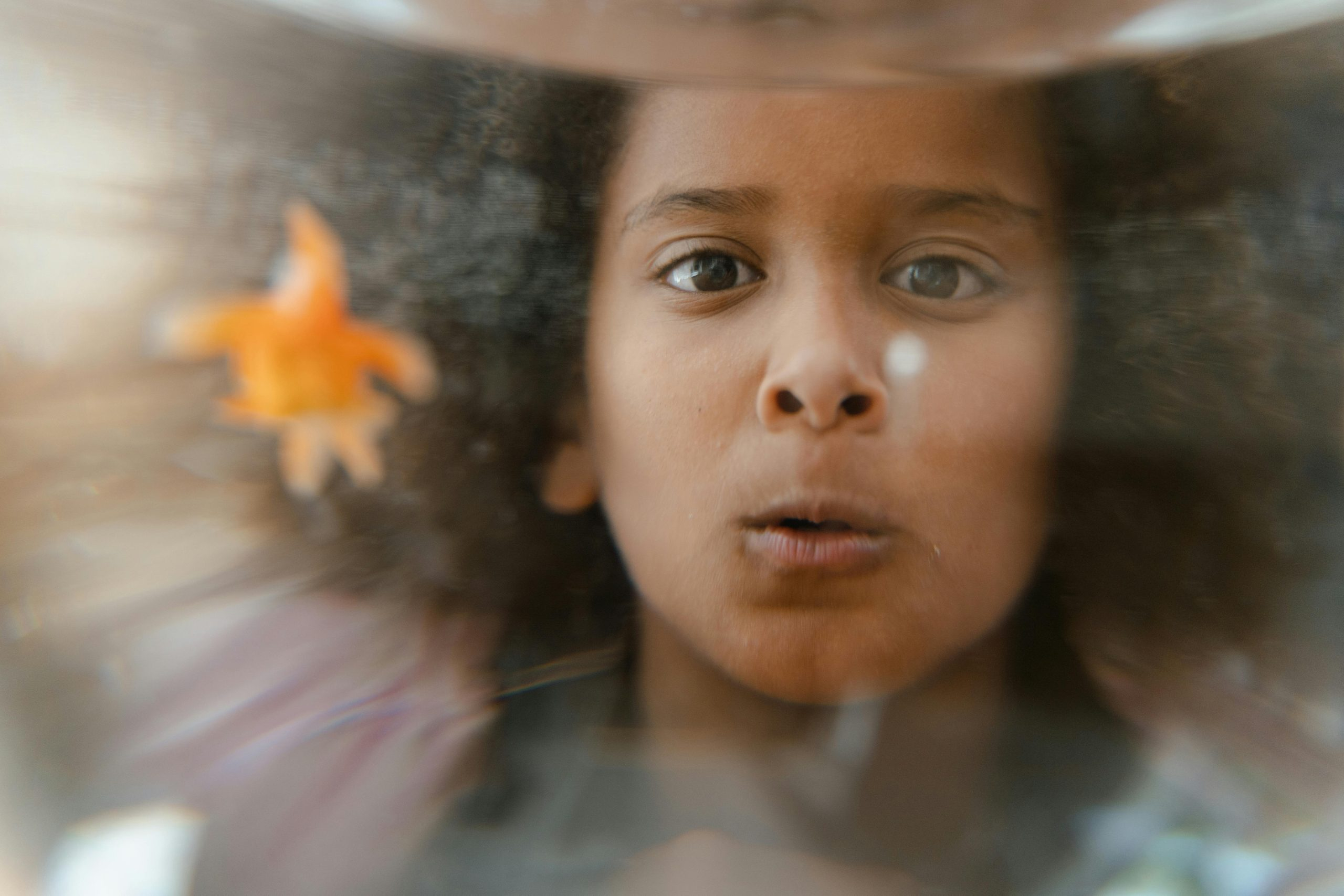
The Importance of Play in Early Childhood
In the first few years of life, children’s brains are rapidly developing and are highly receptive to learning. This is why it is crucial for children to have ample opportunities to play and explore their surroundings. The act of play allows children to use their imaginations, think creatively, and experiment with cause and effect, all of which are fundamental skills for learning and problem-solving later in life.
According to the American Academy of Pediatrics, play has been identified as an essential element of early childhood development, and it contributes to the growth of social, emotional, physical, and cognitive skills in young children. Through play, children learn about the world around them and develop a better understanding of themselves and others.
The Different Types of Play
1. Unstructured Play
Unstructured play refers to playtime that is not directed by adults and does not have a specific goal. It allows children to let their imaginations run wild and explore their interests and preferences. This type of play encourages creativity, problem-solving, and self-expression.
2. Structured Play
Structured play, on the other hand, involves activities that are organized and facilitated by adults. It often follows a set of rules or guidelines and has a specific purpose, such as a board game or a sports activity. While structured play may not foster as much creativity as unstructured play, it still helps children develop important skills like cooperation, communication, and following instructions.
Exploration and Discovery: Key Elements of Play
One of the most significant benefits of play is its ability to encourage exploration and discovery. Children are naturally curious and love to explore their environment. Through play, they get to interact with different objects, materials, and people, and in the process, learn about cause and effect. This hands-on experience helps children understand how things work and develops their problem-solving skills.
Moreover, play also allows children to engage in the process of discovery. They get to experiment with different ideas, make mistakes, and learn from them. This process of trial and error is essential for building resilience, adaptability, and critical thinking skills.
Integrating Play in Learning
The power of play is not only limited to early childhood development. Even as children grow older, play remains an important aspect of learning. More and more educators have realized the benefits of integrating play in the classroom to engage students and enhance their learning experience.
For instance, hands-on activities, games, and role-playing can help children learn complex concepts in subjects like math, science, and history. These activities not only make learning more enjoyable for students, but they also improve retention and understanding.
Conclusion
The power of play for learning through exploration and discovery cannot be denied. It not only helps children develop important skills for their overall growth, but it also makes the learning process more engaging and enjoyable. As parents and educators, it is important to recognize the value of play and provide children with ample opportunities to explore and discover through play. It may just be the key to unlocking their full potential and nurturing a love for learning that lasts a lifetime.