
The Impact of Streetwear Culture on Mainstream Apparel
Over the past few years, streetwear has taken the mainstream apparel industry by storm. What was once a niche subculture has now become a global fashion phenomenon, influencing the wardrobes of individuals from all walks of life. From designer collaborations to limited edition drops, streetwear has established itself as a dominant force in the fashion world. But what exactly is streetwear and how has its impact shaped the landscape of mainstream apparel? In this article, we will dive into the roots of streetwear culture and explore its significant influence on mainstream fashion.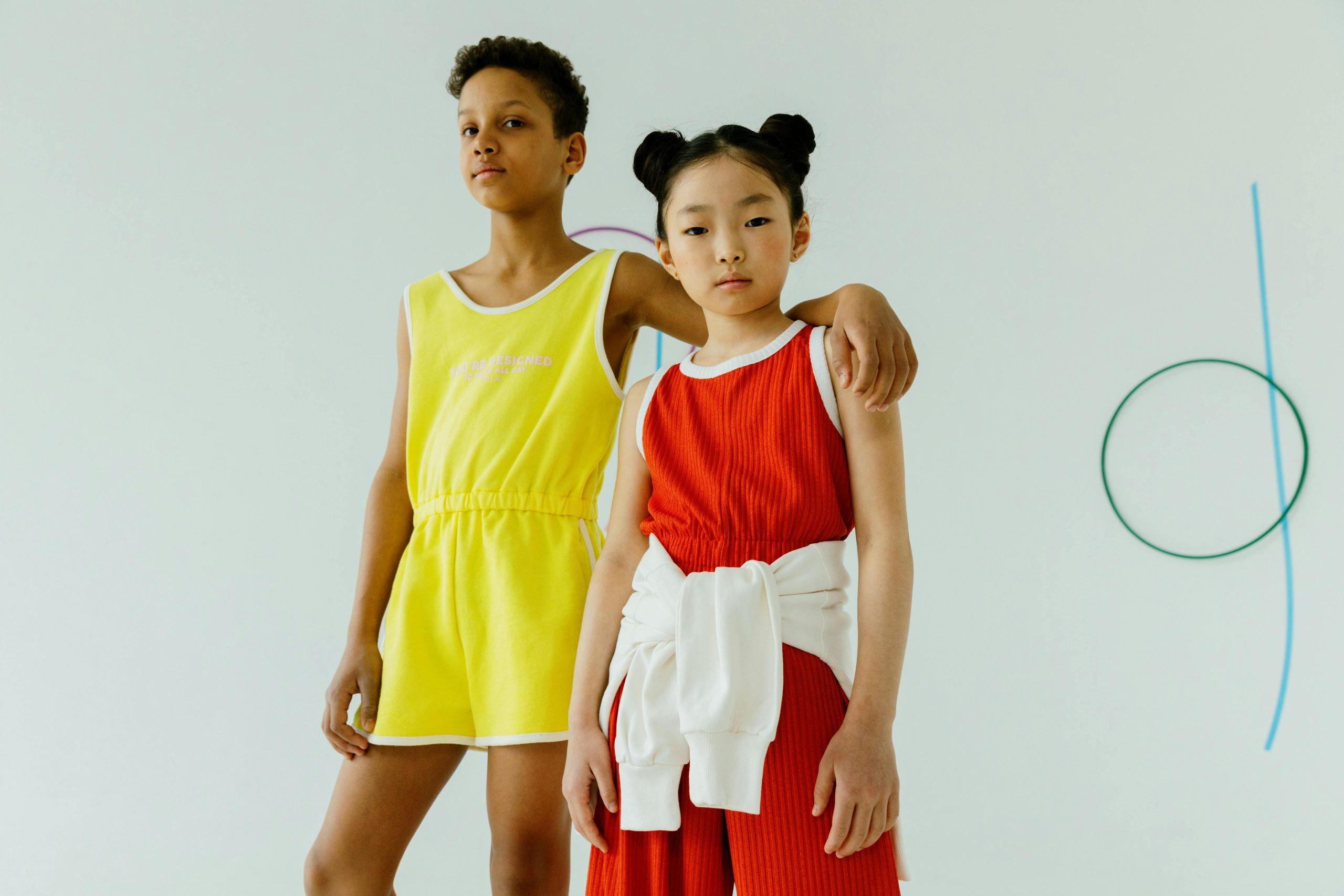
The Origins of Streetwear Culture
Streetwear can trace its roots back to the 1980s when urban youth cultures, such as hip hop and skateboarding, began to heavily influence the fashion industry. This alternative form of dressing was meant to push societal boundaries and reject the traditional norms of fashion. The goal was to create a distinct sense of identity and belonging for those within the subculture.
Breaking the Rules of Fashion
Unlike mainstream fashion, streetwear did not follow the traditional rules of dressing. It wasn’t about the latest trends or high-end labels, but rather creating a unique and personal style. Streetwear fashion showcased a mix of luxury and casual wear, with a heavy emphasis on sportswear and graphic elements. This combination of high and low fashion challenged the traditional notions of what was considered stylish, making it appealing to the rebellious youth.
Influence on Mainstream Apparel
Streetwear’s influence on mainstream apparel can be seen in the rise of active and athleisure wear. The merging of sports-inspired clothing and luxury brands has become increasingly popular in recent years. This can be attributed to the influence of streetwear, which has been incorporating athletic elements into fashion since its inception. Today, it’s common to see high-end designers collaborating with sportswear brands to create limited edition collections.
The Rise of Streetwear Brands
With the increasing popularity of streetwear, many independent brands have emerged as major players in the fashion industry. These brands have been able to carve out a unique space for themselves by staying true to the core principles of streetwear – nonconformity and individuality. Companies like Supreme, Off-White, and A Bathing Ape have become household names, and their limited edition drops command long lines and high resale prices.
Celebrity Endorsements
Celebrities have played a significant role in the popularity and growth of streetwear. With their massive following and influence, celebrities have become walking billboards for streetwear brands. Many have even collaborated with streetwear labels to create collections, further solidifying the crossover between streetwear and mainstream fashion.
Streetwear’s Impact on Runways
The influence of streetwear culture can also be seen on high fashion runways. Luxury brands have been incorporating streetwear elements into their collections, blurring the lines between the two worlds. The idea of high fashion and streetwear merging seemed unthinkable a few decades ago, but today, it’s a common occurrence.
The Growing Demand for Streetwear
With the rise of social media and e-commerce, streetwear has become more accessible to the masses. The desire to be unique and stand out has led to a growing demand for limited edition streetwear collections. This has also created a reselling market, with individuals paying high prices to get their hands on coveted streetwear pieces.
Global Appeal
Streetwear’s impact on mainstream fashion extends beyond Western countries. It has gained popularity all over the world, with brands and style trends emerging from places like Japan and Korea. The blend of Western and Asian styles has given birth to a new fashion wave, leading to a wider global audience for streetwear brands.
Continued Growth and Evolution
The impact of streetwear on mainstream fashion shows no signs of slowing down. As streetwear evolves, it will continue to influence the fashion industry and push boundaries. With the rise of sustainable and ethical fashion, streetwear brands are also starting to incorporate these values into their collections, showing their adaptability and influence on the future of fashion.
In Conclusion
Streetwear culture has made an undeniable impact on mainstream apparel. From its origins in urban youth cultures to its influence on high fashion, streetwear has challenged traditional notions of fashion and created a unique space for itself. With its global appeal and growing demand, it’s safe to say that streetwear is here to stay and will continue to shape the fashion industry for years to come.