Mastering Knife Skills: Essential Techniques for Every Cook
As any experienced chef will tell you, mastering knife skills is an essential and fundamental part of becoming a proficient cook. In the kitchen, the right knife and proper cutting techniques can make all the difference in the outcome of a dish. Whether you are a home cook or a culinary professional, having a strong understanding and command of knife skills will not only improve the quality of your meals, but also make your cooking experience more efficient and enjoyable. In this article, we will explore the essential techniques for mastering knife skills that every cook should know.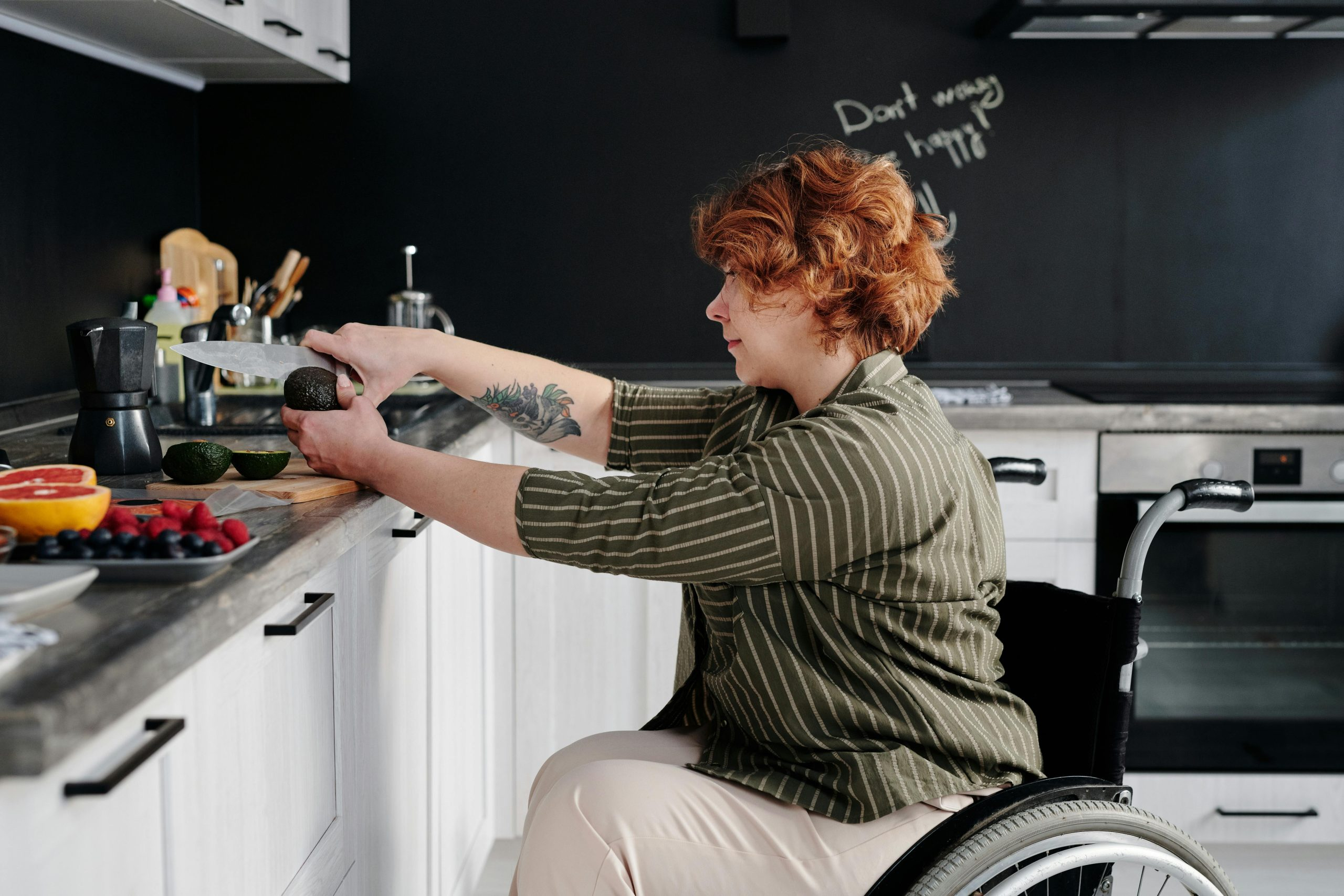
The Anatomy of a Knife
Before we dive into the techniques, it is important to have a basic understanding of the anatomy of a knife. Knowing the different parts of a knife will help you better understand how to hold and use it properly.
1. Blade
The blade is the most important part of the knife, as it is responsible for cutting. It is composed of three main parts: the point, the spine, and the cutting edge. The point is the very tip of the blade, which is used for piercing and delicate tasks such as deveining shrimp. The spine is the top, thicker part of the blade that provides stability and strength. The cutting edge is the part of the blade that does the cutting, and it can vary in shape and sharpness depending on the type and purpose of the knife.
2. Handle
The handle is the part of the knife that you hold onto. It can be made from different materials such as wood, plastic, or metal. The handle should provide a comfortable and secure grip for your hand.
3. Tang
The tang is the part of the blade that extends into the handle. A full tang runs the entire length of the handle, making the knife more balanced and durable. Partial tangs are shorter and can potentially make the knife more prone to breaking.
Essential Knife Techniques
Now that we have a basic understanding of the parts of a knife, let’s explore the essential techniques for mastering knife skills.
1. Holding the Knife
The first step to mastering knife skills is learning how to hold the knife properly. The three most common grips are the handle grip, the blade grip, and the pinch grip.
The handle grip is the most common and involves holding the handle firmly with your dominant hand, with your thumb on one side and your fingers wrapped around the other side.
The blade grip is similar to the handle grip, but instead of wrapping your fingers around the handle, they are placed on the sides of the blade. This grip is commonly used for more delicate tasks such as peeling or carving.
The pinch grip is becoming increasingly popular among chefs, as it provides better control and precision. To use this grip, pinch the blade of the knife between your thumb and index finger, with your other three fingers wrapped around the handle.
2. The Rocking Motion
The rocking motion is a fundamental technique in knife skills, and it involves moving the knife in a rocking motion on the cutting board. This technique is used for cutting and chopping vegetables and herbs.
To perform the rocking motion, start by holding the knife with your preferred grip. Place the point of the blade on the cutting board and lift the handle slightly, so the blade is at an angle. Rock the blade back and forth, using a consistent motion, while guiding the blade with your free hand. This allows for precise and controlled cuts.
3. The Chop and Slide Method
The chop and slide method is used for slicing and dicing larger vegetables such as onions and peppers. It involves a combination of chopping and sliding the knife through the ingredient. This technique is great for achieving uniform and consistent cuts.
To use this method, start by cutting the vegetable in half and placing the flat side on the cutting board. Take your knife and chop through the vegetable, making sure to maintain your grip and use a controlled motion. Once you have made a slice, slide the remaining piece over with your free hand and continue chopping until desired thickness is achieved.
4. The Claw Technique
The claw technique is a safety measure that is used to protect your fingers and allow for precise cutting. To use this technique, curl your fingers into a claw shape while holding the ingredient with your fingertips. This ensures that your fingers are tucked away, away from the blade, while still allowing for control and precision when slicing through the ingredient.
Conclusion
In conclusion, mastering knife skills is a crucial aspect of becoming a proficient cook. By understanding the anatomy of a knife and practicing essential techniques such as holding the knife properly, the rocking motion, the chop and slide method, and the claw technique, you will be well on your way to becoming a skilled chef. Remember to always prioritize safety and practice makes perfect. Happy cooking!