
The Essential Techniques for Cooking Fish and Seafood
The smell of saltwater fills the air as you approach your local fish market. The vibrant display of fish and seafood beckons to you, begging to be taken home and cooked to perfection. But cooking fish and seafood can be a daunting task for even the most experienced home chef. With so many types of fish and seafood and an array of cooking methods, it can be challenging to know where to begin. But fear not, for we have curated the essential techniques for cooking fish and seafood that will elevate your cooking game and impress your taste buds.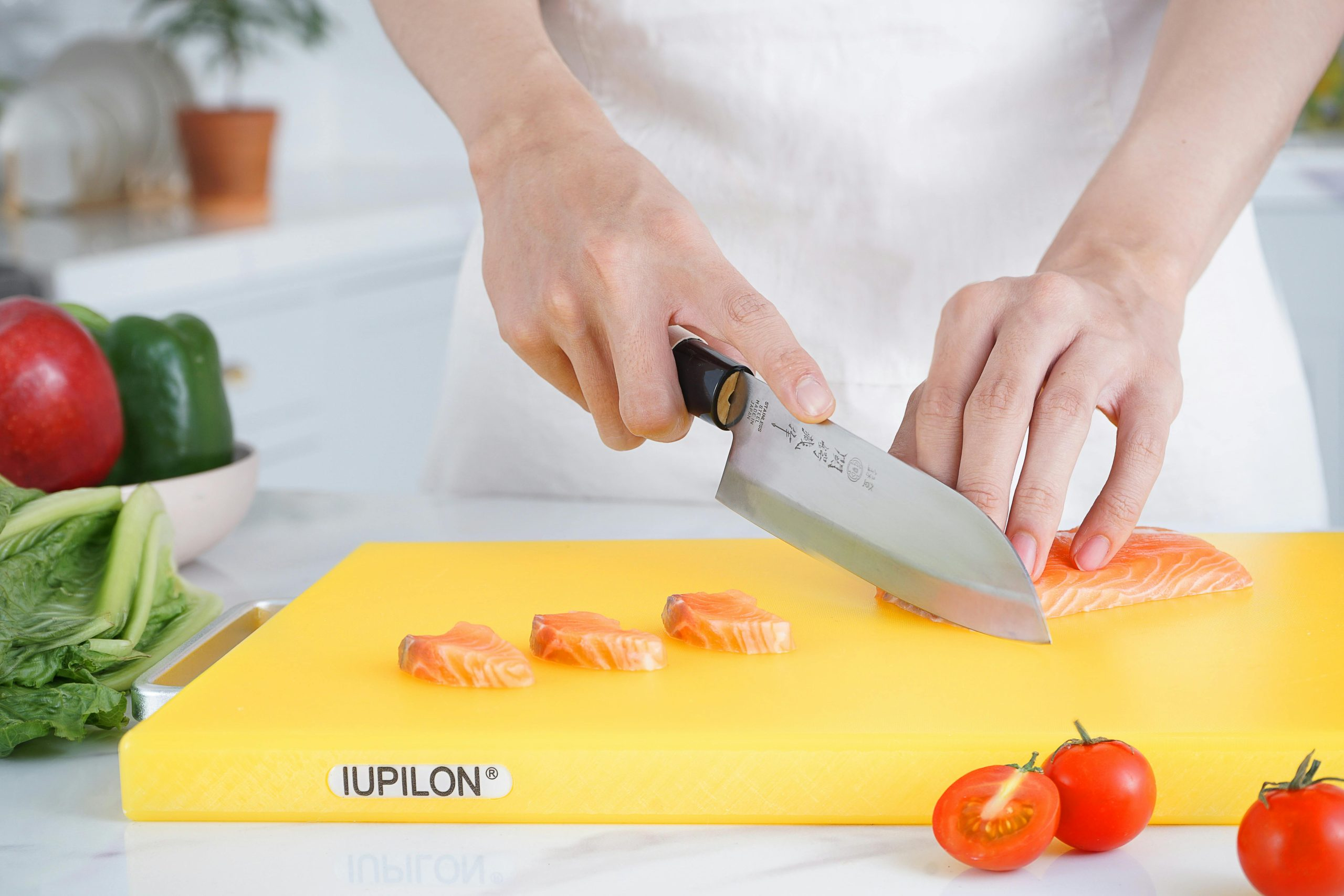
The Basics of Cooking Fish and Seafood
Fish and seafood are excellent sources of protein, omega-3 fatty acids, and other essential nutrients. It’s no wonder they are a staple in many diets around the world. To make the most out of your fish and seafood, it’s essential to understand the basics of cooking them. Here are some essential techniques that every home cook should know.
1. Choosing the Right Type of Fish and Seafood
The first step to cooking fish and seafood successfully is choosing the right type. When it comes to fish, it’s essential to keep in mind the texture and flavor of the fish. Some fish, like salmon and tuna, are best for grilling or pan-frying because they have a firm texture. Other delicate fishes, like sole and tilapia, are better suited for steaming or light sautéing. When it comes to shellfish, factors like size and freshness are crucial. Always opt for live shellfish or shellfish that have been kept cold and never choose ones with a fishy smell.
2. Preparing Fish and Seafood
Properly preparing fish and seafood is key to a delicious and safe meal. When dealing with fish, make sure to clean and rinse it thoroughly. Remove any bones or excess skin and pat it dry with a paper towel. When it comes to shellfish, scrub them thoroughly before cooking. Discard any shellfish that have died or remained open after tapping them.
3. Cooking Techniques
Once you have chosen and prepared your fish and seafood, it’s time to get cooking. Here are the essential techniques you need to know based on the type of fish and seafood:
a. Grilling
Grilling is an excellent method for cooking fish and seafood, especially for fatty fish like salmon and tuna. The high heat of the grill helps to caramelize the outside of the fish, giving it a crispy texture while keeping the inside moist and tender. Season the fish with salt and pepper, brush it with oil, and grill for a few minutes on each side, depending on the thickness of the fish.
b. Pan-frying
Pan-frying is a great method for cooking boneless fish fillets. Coat the fish with flour, dip it in an egg wash, and then coat it in bread crumbs. Heat some oil in a pan and cook the fish for a few minutes on each side until golden brown. You can also use a lighter batter for a healthier option.
c. Steaming
Steaming is a gentle cooking method that preserves the delicate flavors of fish and seafood. Place a steamer basket over boiling water and add the fish or seafood. Cover and steam for a few minutes until the fish is opaque and easily flakes with a fork. You can also add some aromatics like ginger or lemongrass to infuse extra flavor.
d. Baking
You can bake fish in the oven for a quick and healthy meal. Season the fish with your choice of flavors, drizzle with a bit of oil, and bake at 375°F for about 12-15 minutes, depending on the thickness. You can also add some lemon slices or herbs for extra flavor.
e. Sautéing
Sautéing is a quick and easy way to cook fish. Add some oil to a hot pan and cook the fish for a few minutes on each side until it turns golden brown and flakes easily.
f. Poaching
Poaching is a gentle and healthy cooking method that works well for delicate fish and seafood like sole and shrimp. Add some flavorful liquid to a pan, like wine or broth, and simmer the fish or seafood for a few minutes until cooked through. This method is also great for making fish stews or soups.
The Finishing Touches
Once you have cooked your fish and seafood, it’s time to add the finishing touches to take your dish to the next level. Here are some simple yet essential tips to elevate your final result:
1. Don’t Undercook or Overcook
The biggest mistake you can make when cooking fish and seafood is undercooking or overcooking them. Keep a close eye on the cooking time and test the fish or seafood for doneness. Fish and seafood are fully cooked when they reach an internal temperature of 145°F.
2. Use High-quality Ingredients
The key to a delicious dish is using high-quality ingredients. Fresh fish and seafood have a clean, oceanic flavor that cannot be matched by frozen or farmed options.
3. Experiment with Flavors
Fish and seafood are a blank canvas for flavors. Experiment with different herbs, spices, and sauces to find a combination that suits your taste buds.
4. Practice Makes Perfect
Becoming an expert at cooking fish and seafood takes time and practice. Don’t be discouraged if your first attempt doesn’t turn out as expected. Keep trying, and you’ll eventually master the essential techniques.
With these essential techniques at your disposal, you can now confidently cook any type of fish or seafood to perfection. So the next time you’re at the fish market, don’t shy away from trying something new. Who knows, you might just discover your new favorite dish.