Understanding the Maillard Reaction: Browning and Flavor
Browning is a phenomenon that adds a delicious and deep flavor to food. Whether it’s a perfectly seared steak, a golden-brown loaf of bread, or a beautifully caramelized onion, browning gives food its characteristic color, texture, and taste. But have you ever wondered what causes this transformation in food? The answer lies in a chemical reaction called the Maillard reaction. In this article, we will delve deeper into the science behind this process and understand how it affects our food. Let’s explore the Maillard reaction and discover its role in creating mouth-watering dishes.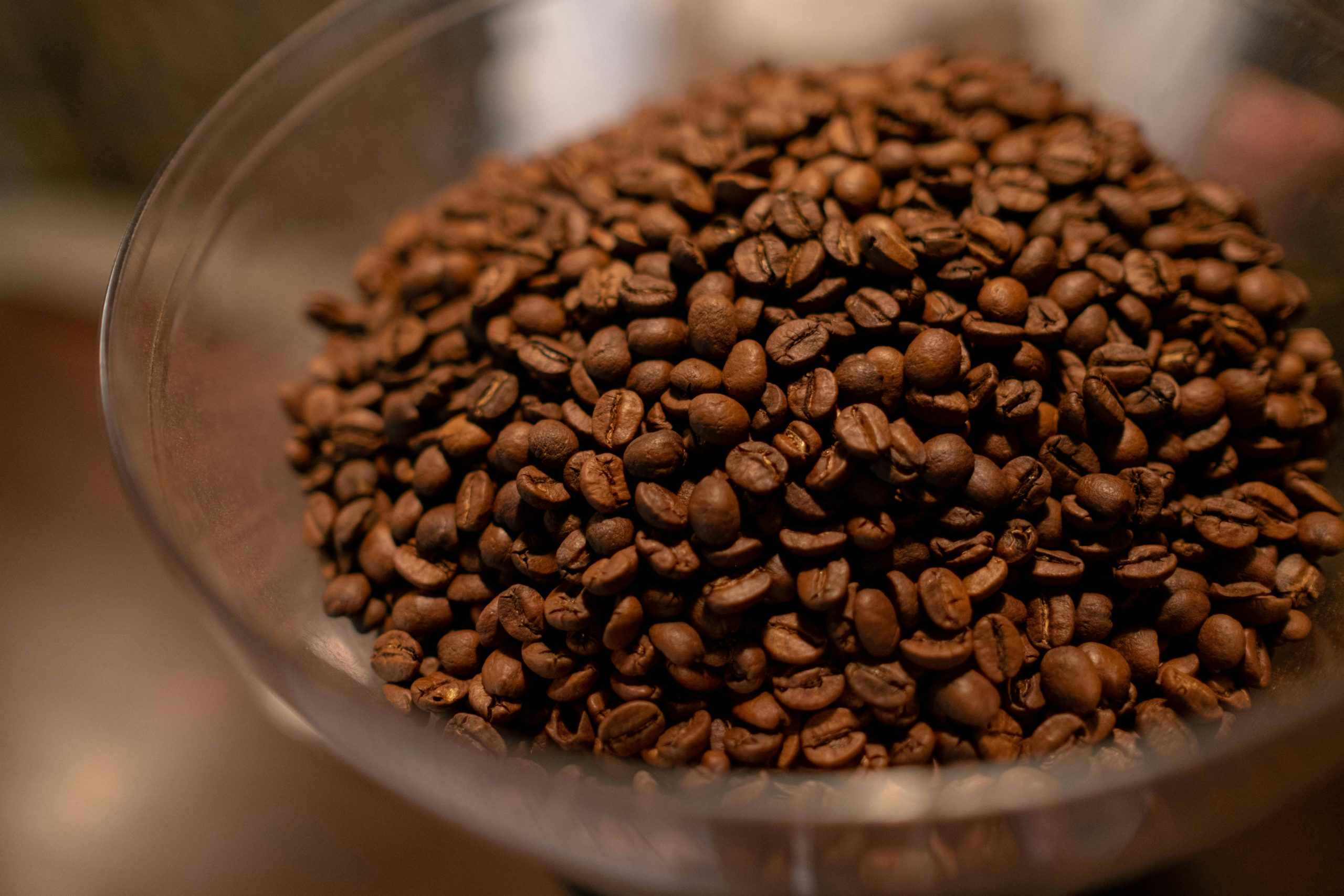
What is the Maillard Reaction?
The Maillard reaction is a complex chemical reaction that occurs when proteins and reducing sugars are heated together. It is named after French chemist Louis-Camille Maillard, who first described the process in 1912. This reaction is responsible for the browning and flavor development in various foods such as meats, bread, vegetables, and even coffee.
At its core, the Maillard reaction is a series of chemical reactions between amino acids (found in proteins) and reducing sugars like glucose or fructose. These amino acids and sugars are naturally present in most foods, making the Maillard reaction a ubiquitous process in the culinary world. The reaction is accelerated by high temperatures and is usually most active between 140-165°C (285-330°F).
Understanding the Process of Browning
When heat is applied to food, there are three main stages of browning that occur as a result of the Maillard reaction:
Stage 1: Formation of Amadori Products
The Maillard reaction starts with the formation of what are known as Amadori products. These products form when the amino acids react with reducing sugars and undergo a rearrangement, resulting in a new compound. This process happens quickly and is reversible, meaning the Amadori products can change back into their original components.
Stage 2: Production of Melanoidins
In the next stage, the Amadori products undergo further reactions, resulting in the formation of melanoidins. These are the compounds responsible for the dark brown color in food. Melanoidins give food its characteristic taste, aroma, and texture and are crucial in creating the depth of flavor in many dishes.
Stage 3: Final Browning and Flavor Development
As the Maillard reaction continues, the food undergoes further changes, resulting in more complex reactions and the development of an even deeper color and flavor. This stage is responsible for the creation of new aromatic compounds that give food its unique taste and aroma. The final browning and flavor development stage is also where the Maillard reaction intersects with another process called caramelization, which refers to the breakdown of sugars at high temperatures.
The Impact of the Maillard Reaction on Food
The Maillard reaction plays a crucial role in creating the flavors and aromas we associate with many of our favorite dishes. It is responsible for the nutty, toasty, and caramel-like flavors in bread and biscuits, the rich brown color in seared meats, and the sweet flavor in roasted vegetables. The chemical changes that occur as a result of the Maillard reaction also give food a more complex and desirable flavor profile, making it more appetizing and enjoyable to eat.
The extent to which the Maillard reaction occurs in food can also have a significant impact on its nutritional value. While some nutrients may be lost during the process, it can also result in the formation of antioxidants, which are beneficial for our health.
Factors Affecting the Maillard Reaction
Several factors can affect the Maillard reaction, including temperature, pH, and the types of amino acids and sugars present in the food. High temperatures and an alkaline (basic) pH are known to promote the Maillard reaction, leading to faster browning and flavor development. On the other hand, acids, such as vinegar or lemon juice, can slow down or prevent the reaction from occurring.
In Conclusion
The Maillard reaction is a complex chemical process that occurs when proteins and reducing sugars are heated together. It is responsible for the browning and flavor development in various foods and plays a crucial role in creating the flavors and aromas we associate with our favorite dishes. Understanding the Maillard reaction allows us to appreciate the science behind the food we eat and create more delicious and flavorful meals in our own kitchens. So next time you savor a perfectly browned piece of food, remember the Maillard reaction and the magic it brings to your plate.