The Value of Documenting Your Personal History and Memories
Do you remember the first time you rode a bike? Or the feeling of excitement you had when you graduated from high school? How about the smile on your face when you got your first job? Our personal history and memories are what make us unique and shape our identity. They are the stories that define who we are and where we come from. Yet, many of us often overlook the importance of documenting these precious moments. In this article, we will explore the value of documenting your personal history and memories, and why it is essential to preserve them for future generations.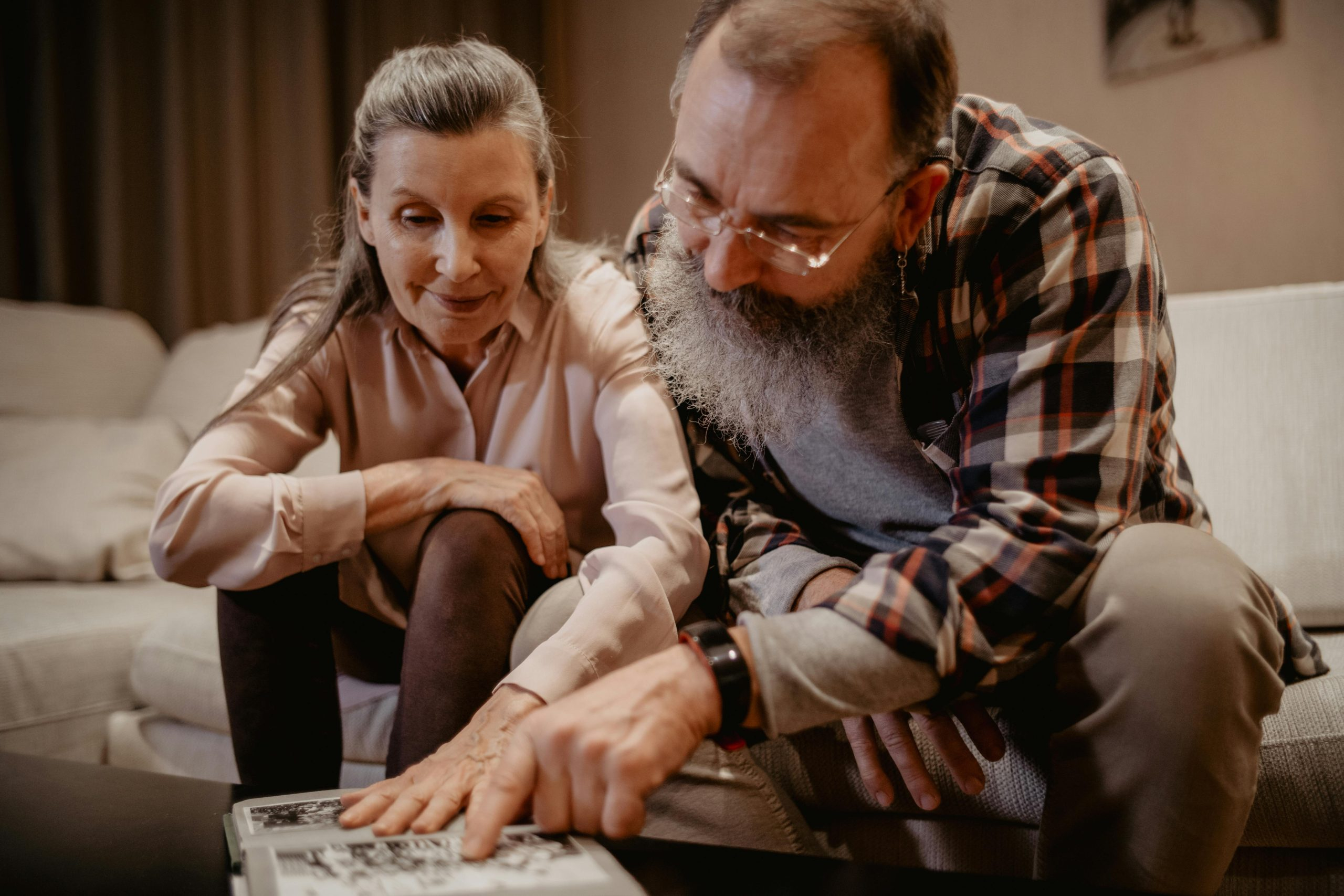
The Power of Remembering
Our memories are incredibly powerful. They allow us to relive our past experiences, learn from our mistakes, and cherish the happy moments. Documenting your personal history and memories can be a powerful tool in preserving these precious moments and keeping them alive. By writing down or recording your memories, you can revisit them anytime you want. Not only does this bring back feelings of nostalgia, but it also allows you to reflect on your life and appreciate how far you have come.
Leaving a Legacy
Every one of us has a unique story to tell, and our personal history and memories are a part of that story. Documenting them means leaving a legacy for future generations. Your children, grandchildren, and great-grandchildren will be able to get to know you and your life through your memories. It can also serve as a source of inspiration or guidance for them. Sharing your experiences, lessons learned, and precious memories can contribute to their personal growth and make them feel connected to their family roots.
Preservation of Your Culture and Traditions
In addition to preserving your personal history, documenting your memories can also help in preserving your culture and traditions. Many cultures have a strong emphasis on oral history, where stories and memories are passed down from generation to generation. By documenting your personal history, you are ensuring that your culture and traditions are not lost. You are also contributing to the collective memory of your community and helping to keep its traditions alive.
Healing and Closure
Writing down or recording your personal history and memories can also be a therapeutic experience. It allows you to express your thoughts and feelings, and in turn, can bring about healing and closure. Documenting difficult or painful memories can help you come to terms with them and let go of any negative emotions associated with them. It can also serve as a way of honoring the people you have lost and keeping their memory alive.
How to Document Your Personal History and Memories
Journaling
One of the easiest ways to document your personal history and memories is through journaling. You can write about your day-to-day experiences, special occasions, or significant events in your life. Journaling allows you to be creative and express yourself freely. It’s also a great way to reflect on your life and track your personal growth over time.
Photo Albums and Scrapbooks
Photo albums and scrapbooks are a great way to visually document your personal history and memories. You can include photographs, captions, and mementos from special events or trips. It’s a fun and creative way to preserve your memories and make them more tangible.
Audio or Video Recordings
For those who prefer a more hands-off approach, audio or video recordings can be a great option. You can record yourself talking about your memories or even interview family members or friends to get different perspectives. These recordings can be treasured and passed down for generations to come.
Online Platforms and Social Media
In today’s digital age, there are many online platforms and social media sites that allow you to document and share your personal history and memories. You can create a blog, upload photos and videos, or even join online communities to connect with others who share similar memories and experiences.
In conclusion
Documenting your personal history and memories is not just about preserving the past; it’s also about creating a connection between the past, present, and future. By recording and sharing our stories, we are not only leaving a legacy for future generations but also honoring our own journey through life. So, take the time to document your memories, and you’ll see the value they hold in shaping your identity and those of the generations to come.