
Exploring the Intersection of Music and Political Activism
Music has always been a powerful tool for social and political change. From Bob Dylan’s anti-war anthems in the 1960s to the protest songs of hip hop artists in modern times, music has the ability to convey powerful messages and inspire activism. In fact, some of the most iconic moments in history have been marked by the intersection of music and political activism. In this article, we will explore the impact of music on political activism, its history, and how it continues to shape the world we live in today.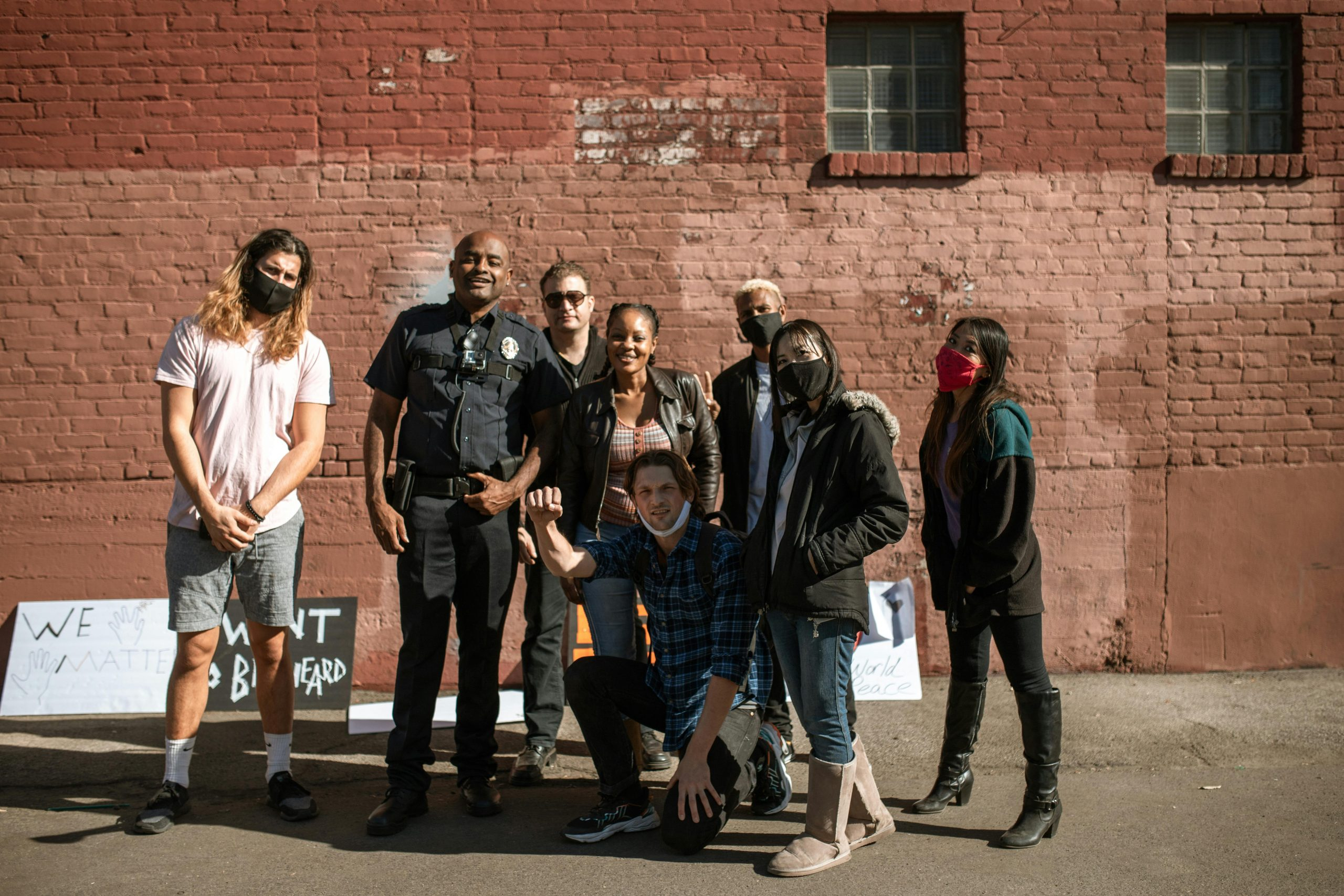
The History of Music and Political Activism
The connection between music and political activism can be traced back to ancient times. In many cultures, music has been used as a form of protest, expressing grievances and pushing for change. For example, ancient Greek and Roman poets often used music to criticize political leaders and societal norms. One of the earliest recorded instances of using music for political activism was during the French Revolution, where revolutionary songs were used to incite the masses and spread propaganda.
In the 20th century, music became even more intertwined with political activism. During the civil rights movement in the United States, songs like “We Shall Overcome” and “A Change is Gonna Come” became anthems for the movement, uniting people in their fight against racial injustice.
Similarly, in the 1960s and 1970s, the Vietnam War sparked a wave of anti-war protests, and music played a crucial role. Artists like Bob Dylan, Joan Baez, and Crosby, Stills, Nash & Young used their platform to speak out against the war and advocate for peace.
The Role of Music in Political Activism
Bringing Awareness to Important Issues
One of the main roles of music in political activism is to bring awareness to important issues. While an activist’s message may reach a limited audience through speeches or writings, music has the power to reach a wider audience and evoke an emotional response. A song can communicate a powerful message in a way that words alone cannot.
For example, songs such as “The Times They Are A-Changin” by Bob Dylan and “Fight the Power” by Public Enemy addressed important issues such as civil rights and government corruption. These songs not only brought awareness to these issues but also sparked meaningful discussions and inspired people to take action.
Uniting People in a Common Cause
Music has the ability to bring people from different backgrounds and beliefs together for a common cause. In times of social and political turmoil, music has been used to unite people and give them a sense of belonging. The shared experience of singing along to a powerful song can create a sense of community and motivate individuals to work towards a common goal.
In the 1980s, the song “We Are the World” was recorded by a group of 45 popular musicians in response to the famine in Africa. The song not only raised awareness about the crisis but also raised millions of dollars for aid. It showed the power of music to unite people and bring about change.
Inspiring Action and Change
Music has the ability to inspire action and spark change in individuals and society as a whole. When people are passionate about an issue, music can provide them with the motivation and courage to take a stand and fight for what they believe in. Many iconic protest songs have become anthems for social and political movements, empowering individuals to take action and bring about change.
In 2014, the Black Lives Matter movement gained momentum following the death of Michael Brown. The song “Alright” by Kendrick Lamar became the unofficial anthem of the movement, inspiring people to keep fighting against police brutality and racial injustice.
The Impact of Music and Political Activism Today
The intersection of music and political activism continues to have a significant impact on society today. Artists are using their platform to speak out and raise awareness about social and political issues, from climate change to gun control. Social media has also made it easier for artists to reach a larger audience with their messages, making the impact of music on political activism even more significant.
One of the most recent examples of the power of music and political activism is the Global Climate Strike, where millions of people across the world took to the streets to demand action on climate change. Swedish climate activist Greta Thunberg’s powerful speech at the strike was followed by a performance of the song “Earth” by Lil Dicky, featuring a star-studded cast of celebrities. The song not only raised awareness about climate change but also encouraged people to take action and demand change from their leaders.
Conclusion
The intersection of music and political activism is a powerful force that has been shaping the world for centuries. From bringing awareness to important issues to inspiring action and change, music has the ability to capture the hearts and minds of people and motivate them to fight for a better world. As we continue to face new challenges in today’s society, we can look to the intersection of music and political activism as a source of inspiration and a catalyst for meaningful social and political change.