
Mastering the Art of Scoring Music for Film and Television
As any filmmaker or television producer knows, scoring music for a visual project is an art in itself. It is the process of creating an original soundtrack that complements the on-screen actions, heightens emotions, and ultimately brings a film or TV show to life. This vital element can transform an ordinary scene into a profound and memorable one, making it an essential element in the post-production process. Mastering the art of scoring music for film and television is a skill that requires not only musical talent but also an understanding of the medium and the ability to work collaboratively with directors and editors.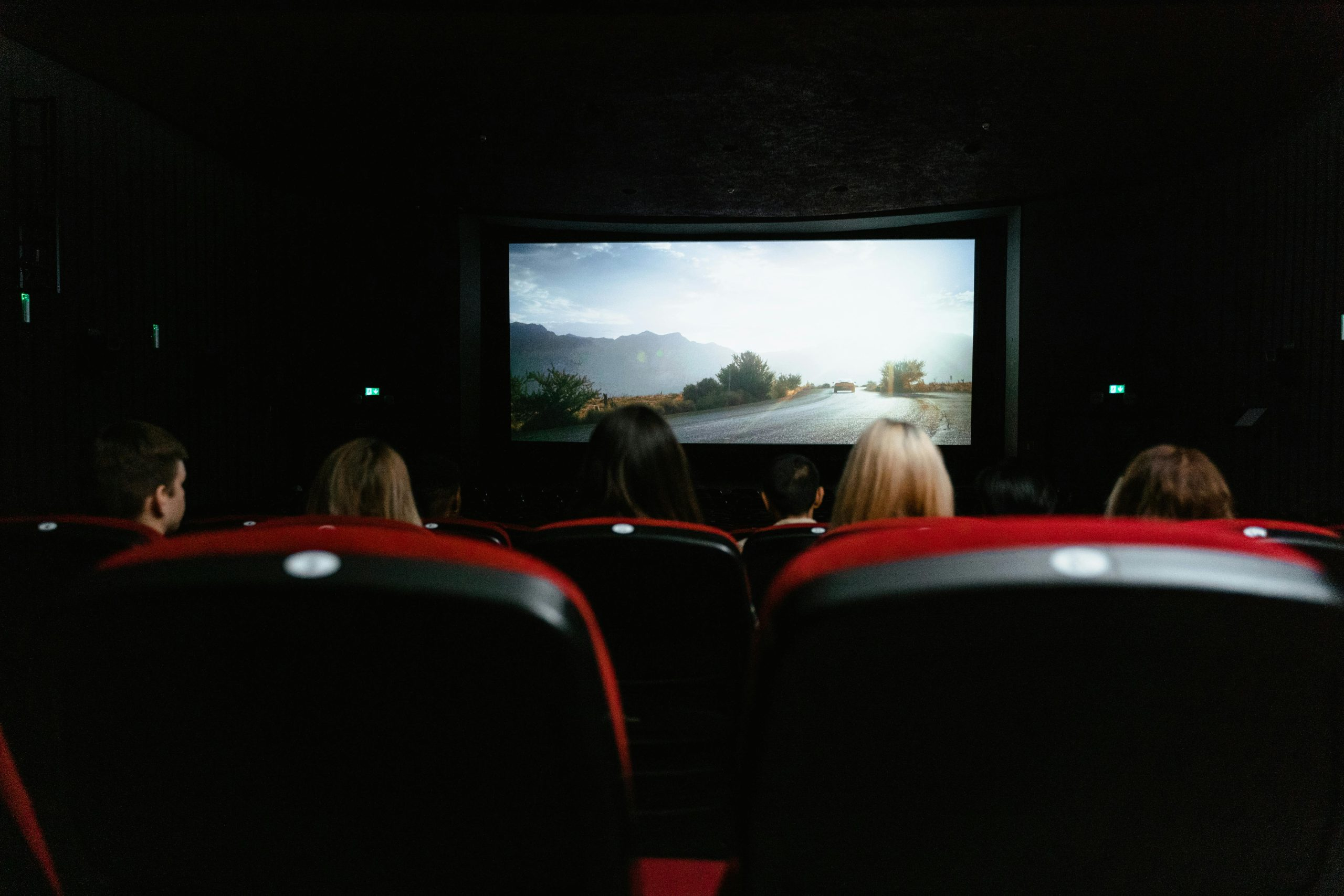
The Role of a Film/TV Composer
The composer’s job is to create the film or TV show’s musical identity. They work closely with the director, editors, and sound engineers to ensure that the music accurately portrays the desired mood, atmosphere, and emotion. In some cases, the composer may even be brought on during the scriptwriting stage to get a better understanding of the director’s vision and to start developing musical ideas.
The composer must also consider factors such as budget, deadline, and technical limitations when creating the score. They must be proficient in multiple music styles and genres, as well as skilled in using music production software, to create a professional and polished soundtrack.
Understanding the Narrative
It’s crucial for a composer to have a deep understanding of the narrative of a film or TV show. They must be able to identify the emotional beats and character development to create music that enhances these elements. This can involve analyzing the script, watching rough cuts, and having discussions with the director. By understanding the story, a composer can bring their musical perspective to enrich the project.
Collaboration with the Director and Editor
The music in a movie or TV show is a collaborative effort between the composer, director, and editor. The three parties must work together to synchronize the music with the visual elements effectively. The director may have a specific idea or theme in mind, and the editor knows the footage and pacing inside-out. It’s up to the composer to use their musical talents to find the perfect balance between the two and bring the director’s vision to life.
The Process of Scoring Music for Film and Television
The process of scoring music for film and TV typically begins after the shooting is complete and the final edit is locked. The composer then receives a copy of the picture with timecode references. They watch the film or TV show and begin to develop themes and motifs that will become part of the score.
After the initial composing stage, the composer works on submitting demos to the director and producers. This stage is crucial as it allows for feedback and adjustments to be made before proceeding to the recording and editing phase. Once the score is approved, the music is recorded using live musicians, or if the budget is limited, computer-generated sounds.
The final step is mixing and editing the music with the visual elements. This stage ensures that the musical cues are perfectly synchronized with the on-screen actions. Any sound effects, dialogue, and music must be perfectly balanced to create a seamless integration. The composer may also work closely with sound engineers to mix and master the soundtrack, making sure that it meets all technical requirements for the final product.
The Importance of Scoring Music for Film and Television
Music plays a significant role in shaping the audience’s emotional response to a film or TV show. It can convey emotions, build tension, and establish the atmosphere. It is often said that music is the language of emotions, making it an essential tool in storytelling. A well-crafted soundtrack can enhance the drama, suspense, or romance, bringing the viewer closer to the characters and their experiences.
Furthermore, the music used in a film or TV show can have a significant impact on the overall tone and style. A classic example is the iconic theme of the “Jaws” movie, which is inseparably linked to the sense of danger and suspense that the film portrays. As such, selecting the right music is crucial in conveying the desired tone and atmosphere of a project.
Conclusion
Mastering the art of scoring music for film and television is a highly technical and creative process. It requires a thorough understanding of the narrative, the ability to work collaboratively with the director and editor, and proficiency in various music styles and production software. The right music has the power to enhance a project’s emotional impact and has an essential role in shaping its tone and atmosphere. A well-executed score can elevate a film or TV show into a truly immersive and memorable experience for the audience.