Mastering the Basics of Recording and Home Studio Setup
As the demand for high-quality audio and video content continues to rise, the need for home recording and studio setups has become more prevalent than ever. Whether you’re an aspiring musician, content creator, or simply looking to create a professional space for recording, mastering the basics of recording and home studio setup is essential. With the right knowledge and tools, you can achieve studio-level recordings from the comfort of your own home. In this article, we’ll dive into the fundamentals of recording and setting up a home studio that will elevate your audio game and make you a master of your craft.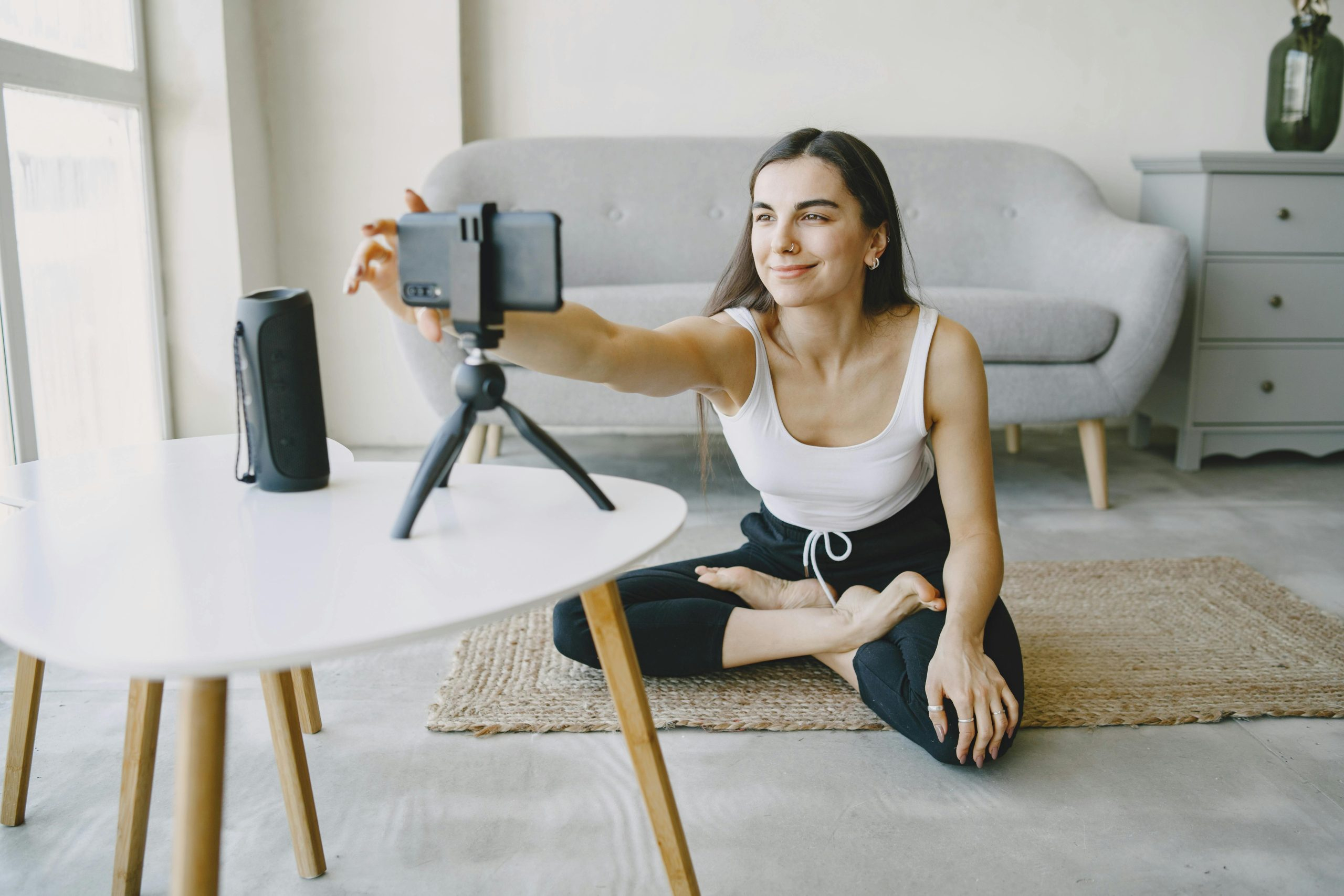
Understanding Basic Recording Concepts
Before we jump into the technicalities of a home studio setup, it’s essential to grasp the foundational concepts of recording. While recording may seem like a straightforward process, there are a few key terms and techniques you should be familiar with to produce professional-level results.
Microphones and Their Uses
The first and most crucial piece of equipment for recording is the microphone. There are different types of microphones, each with its own unique characteristics and purpose. Dynamic microphones are great for capturing loud and high-energy sounds, making them ideal for live performances. On the other hand, condenser microphones are more sensitive and can pick up more detail, making them perfect for recording vocals and acoustic instruments. Ribbons and shotgun mics are also commonly used for specific recording purposes, so do your research and understand which microphone is best suited for your needs.
Signal Flow and Recording Levels
The second key concept to understand is the signal flow. Simply put, it’s the path your audio takes from the source to the recording device. A good understanding of signal flow will help you troubleshoot any issues that may arise during the recording process. Additionally, it’s crucial to maintain consistent recording levels to ensure a clean and balanced sound. This can be achieved by monitoring your meters and adjusting the input levels accordingly.
Setting Up Your Home Studio
Now that you have a good grasp of the basic recording concepts, it’s time to set up your home studio. A proper home studio setup will not only enhance your recording quality but also provide a comfortable and inspiring environment for your creativity to flow. Here are the essentials you’ll need:
Computer and Digital Audio Workstation (DAW)
Your computer will be the heart of your home studio, serving as both your recording device and audio workstation. A powerful computer with sufficient RAM and processing capabilities is essential to run your DAW smoothly. There are various DAWs available, including Ableton, Pro Tools, and Logic Pro, each with its own unique features. Do your research and choose one that best suits your needs.
Audio Interface
Your audio interface is what connects your microphones and instruments to your computer. It acts as a middleman between your analog gear and digital audio signals, ensuring a quality analog-to-digital conversion. Make sure to choose an audio interface that has enough inputs and outputs for your recording needs.
Monitors and Headphones
Good quality monitors and headphones are crucial for accurate sound reproduction. Monitors are ideal for mixing and mastering, while headphones provide a more isolated and focused listening experience. Invest in a good pair of each to have a well-rounded audio monitoring setup.
Acoustic Treatment
Acoustic treatment may seem like an afterthought, but it plays a vital role in creating a balanced and accurate listening environment. Treating your room with sound-absorbing materials like bass traps and acoustic panels will reduce reflections and improve the overall sound quality of your recordings.
Tips for Mastering Your Home Studio
Now that your home studio is set up, here are some bonus tips to help you make the most out of it:
Invest in Quality Cables and Microphones
The quality of your recordings will largely depend on the quality of your equipment. Don’t skimp on essential items like cables and microphones. Investing in good quality gear will ensure your recordings are clean, crisp, and professional-sounding.
Experiment and Have Fun
Don’t be afraid to experiment with different recording techniques and equipment. Your home studio is a space for creativity, so have fun with it! Try out different mic placements, recording environments, and plugins to find your unique sound.
Keep Learning and Improving
Recording and home studio setups are ever-evolving fields, and there will always be something new to learn. Keep yourself updated with the latest technology and techniques, and continue to refine your skills to achieve the best results from your home studio.
Mastering the basics of recording and home studio setup is essential for anyone looking to produce high-quality audio content. With an understanding of the fundamental concepts and proper equipment, you can turn your home into a fully functional and inspiring recording space. Remember to always experiment, invest in quality gear, and continuously improve, and you’ll be well on your way to becoming a master of recording in no time.