
Navigating the World of Secondhand Shopping and Thrifting
Welcome to the world of secondhand shopping and thrifting! Whether out of necessity or a desire for sustainable and unique fashion finds, more and more people are turning to secondhand options for their wardrobe. It’s not just about saving money, but also about reducing our environmental impact and promoting a more circular economy. But navigating the world of secondhand shopping and thrifting can be overwhelming for beginners. With a little knowledge and some pro tips, you can become a pro thrift shopper in no time.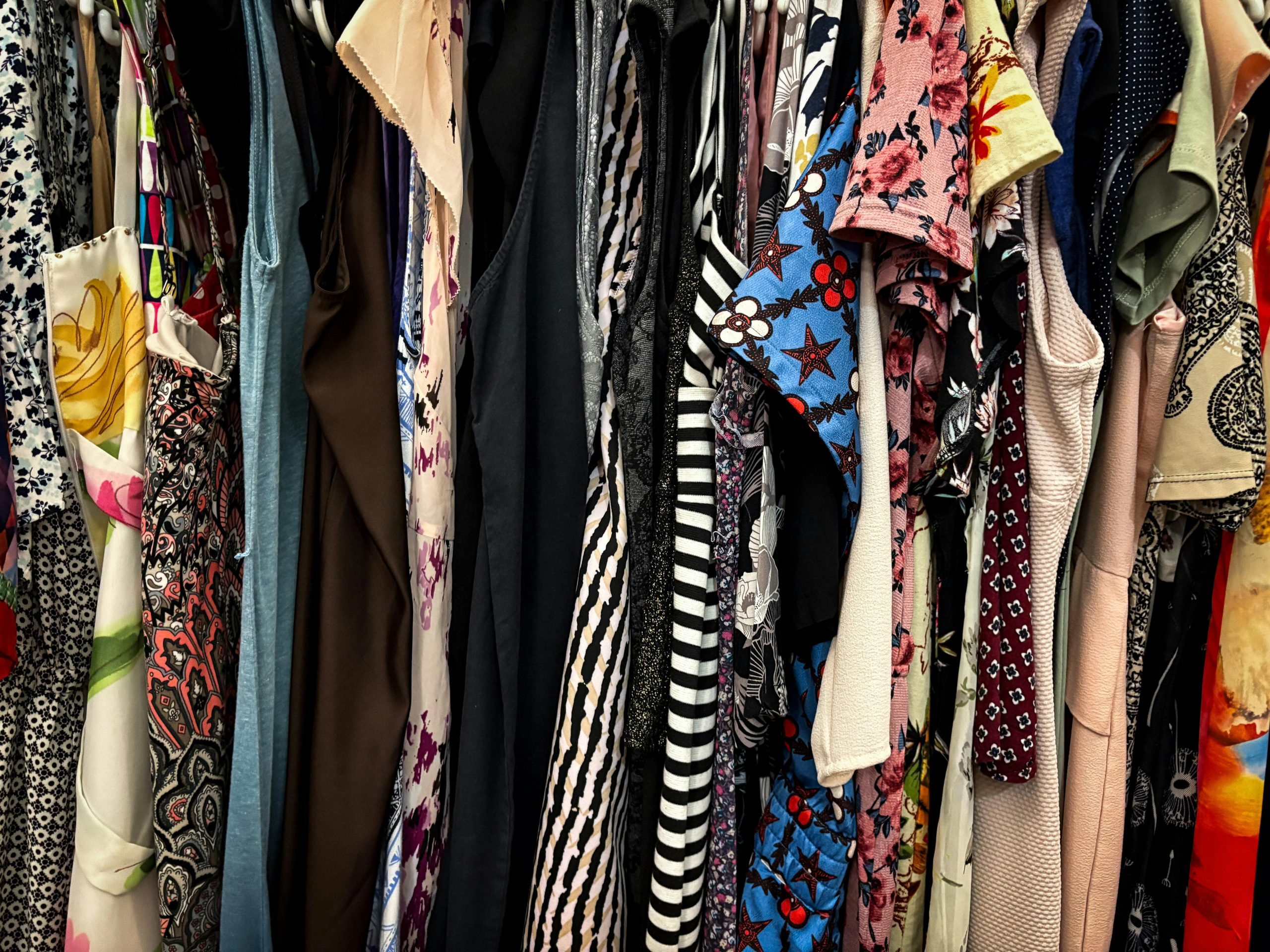
The Benefits of Secondhand Shopping and Thrifting
Before we dive into how to navigate the secondhand world, let’s explore why it’s worth taking the time to do so. First and foremost, shopping secondhand is budget-friendly. You can find designer and high-quality items at a fraction of the cost of buying them new. This is especially beneficial for those on a tight budget or looking to save money.
But beyond the financial benefits, thrifting and shopping secondhand promotes sustainable fashion practices. By shopping secondhand, you are diverting clothing and other items from ending up in landfills. This helps reduce the environmental impact of fast fashion and promotes a more circular economy.
And let’s not forget the thrill of finding a unique and one-of-a-kind item. Thrifting allows you to discover vintage pieces, unique styles, and even hidden gems that you won’t find in traditional retail stores. It adds a personal and individual touch to your wardrobe.
Tips for Navigating the Secondhand World
1. Know Where to Shop
The first step in becoming a pro at secondhand shopping is knowing where to go. Thrift stores, consignment shops, and flea markets are the most common places to find secondhand items. Online options, such as Poshmark, Depop, and ThredUp, are also gaining popularity. You can also join local buy/sell/trade groups on social media platforms like Facebook to find secondhand items in your area.
It’s also helpful to research and visit secondhand shops in more affluent areas. They tend to have a wider selection of high-quality items at a lower price point.
2. Be Patient and Ready to Search
Thrifting and secondhand shopping require patience and a willingness to search through racks and shelves. Unlike traditional retail stores where items are organized by size and style, secondhand shops can be a bit more chaotic. But don’t let that discourage you! Take your time, browse carefully, and don’t be afraid to hunt for hidden treasures.
3. Have an Open Mind
Thrifting and secondhand shopping also require an open mind. Don’t limit yourself to just looking for specific items. Be open to trying on different styles and sizes. You never know what may surprise you and become a new favorite in your wardrobe.
4. Inspect the Items Carefully
When shopping secondhand, it’s essential to inspect items carefully before making a purchase. Look for any signs of damage, stains, or wear and tear. Be sure to check zippers, buttons, and seams. While some minor flaws can be fixed, it’s best to avoid items that are beyond repair.
Also, check the material and care instructions of the item. Some fabrics are more prone to shrinking or stretching, so it’s essential to know how to care for the item properly.
5. Don’t Be Afraid to Haggle
Haggling is a common practice in secondhand shopping, especially at flea markets or garage sales. Don’t be afraid to negotiate the price of an item if you feel it’s too high. Be polite and respectful, but don’t be afraid to walk away if the seller won’t budge on the price.
6. Give Items a Second Life
Thrifting and secondhand shopping are all about promoting sustainability and giving items a second life. So when you find a great piece, give it the love and care it deserves. Properly wash or dry clean your secondhand finds before wearing them, and then enjoy giving them a new home in your wardrobe.
In Conclusion
Navigating the world of secondhand shopping and thrifting may seem daunting at first, but with some tips and tricks, you can become a pro in no time. Not only is it budget-friendly, but it’s also an environmentally conscious way to add unique pieces to your wardrobe. So next time you’re in the mood for some retail therapy, why not try your hand at thrifting and secondhand shopping? You never know what hidden treasures you may find.